How to Upgrade Manual Poultry Feeding Lines to an Automatic System: Cost & Step Plan
Upgrading from manual feeding to a fully automatic system is one of the highest-ROI retrofits a commercial poultry farm can make in 2026. It dramatically reduces labor, cuts feed waste, and improves flock uniformity, directly boosting profitability.
Quick Answer
A typical 20,000-bird poultry house retrofit to automatic feeding costs $8,500–$14,000 and delivers 60–75% labor reduction, 8–15% less feed waste, and payback in 3–5 flocks. The upgrade includes main silo, auger transport system, and automatic pan feeders.
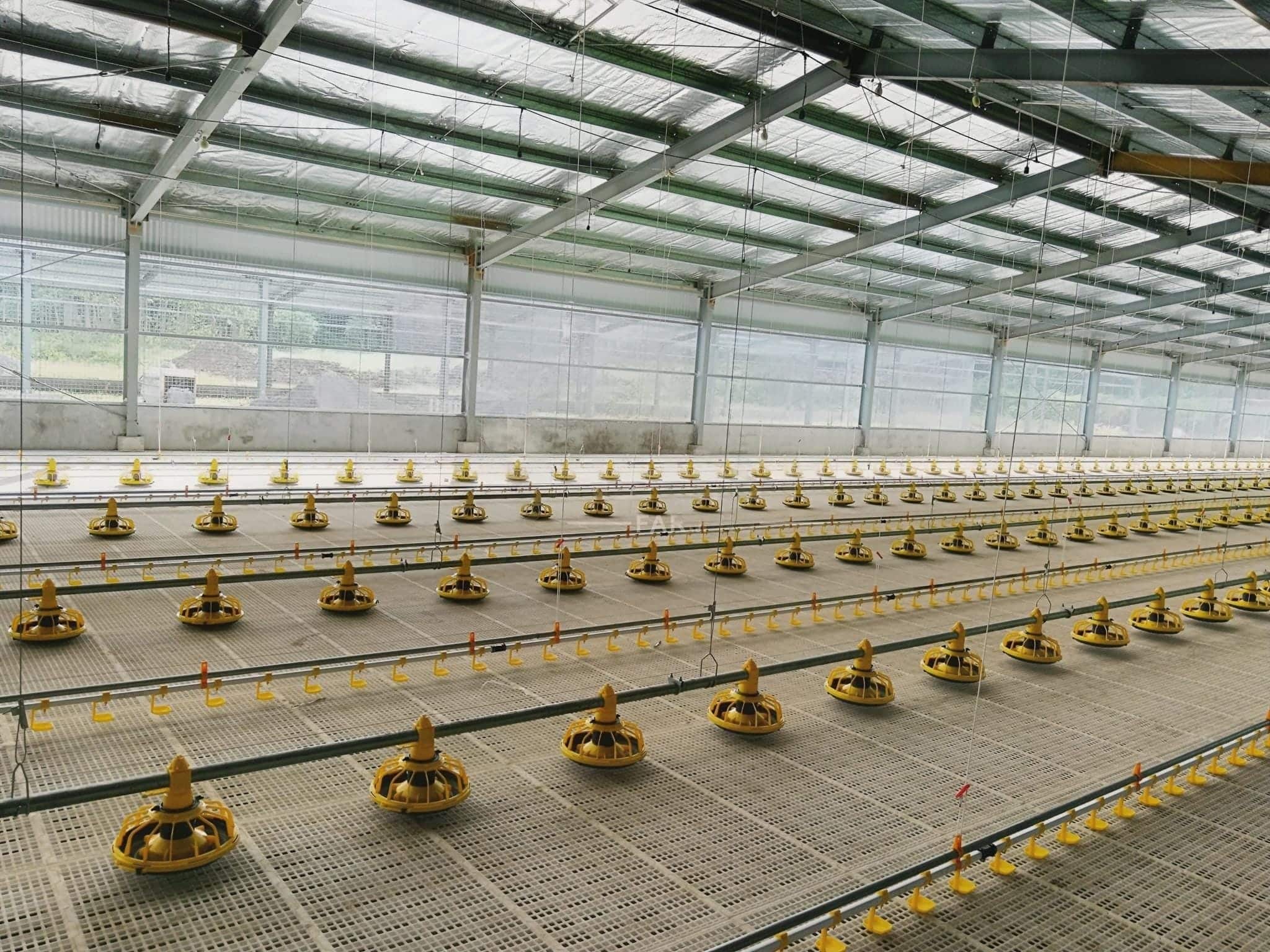
Why Upgrading Your Manual Feeding Lines Is Urgent in 2026
Rising labor costs and increasing feed prices make manual feeding unsustainable. Manual systems cause uneven feed distribution, high waste from spillage, and poor flock uniformity, directly worsening FCR. Automatic systems solve these issues and are now standard in competitive commercial operations.
Step-by-Step Retrofit Plan: From Manual Hoppers to Automatic Pan Lines
The upgrade process is straightforward and can usually be completed during a single flock turnaround.
- House cleaning and assessment of existing structure
- Installation of main feed silo and support structure
- Suspension of auger transport tubes across the house
- Mounting of automatic pan feeders at correct height
- Electrical wiring and sensor calibration
- System testing and operator training
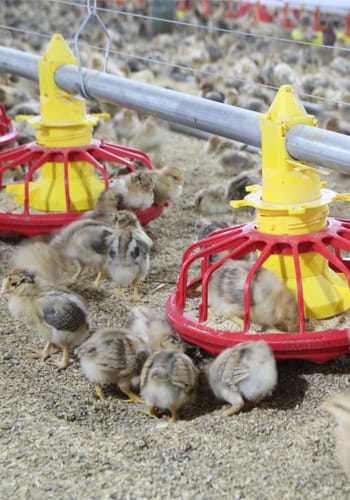
Manual vs. Automated Poultry Feeding System Cost & Performance Impact
| Metric | Manual System | Automated System |
|---|---|---|
| Labor Required per House | 2–3 workers daily | 0.5 worker daily |
| Daily Feed Wastage % | 8–12% | 2–4% |
| Equipment Lifespan | 3–5 years | 10–12 years |
| Estimated Retrofit Cost | — | $8,500–$14,000 |
| Payback Period | — | 3–5 flocks |
Financial Analysis: Investment Cost and Payback Period
For a typical 20,000-bird house, the total retrofit investment ranges from $8,500 to $14,000 depending on house length and chosen auger system. The upgrade typically pays for itself within 3–5 flocks through reduced labor and 8–15% lower feed waste, delivering strong long-term ROI.
Critical Common Pitfalls to Avoid During a Feeding System Retrofit
- Choosing undersized auger motors that cause frequent blockages
- Incorrect drop tube spacing leading to uneven feed distribution
- Installing feeders at wrong height for the target bird age
- Poor alignment of transport tubes causing excessive wear
- Skipping proper electrical protection and sensor calibration
Conclusion
Upgrading manual poultry feeding lines to a fully automatic system is a high-return investment that reduces labor, cuts feed waste, and improves flock uniformity. With careful planning and correct equipment selection, farms can achieve rapid payback and long-term operational efficiency.
Need a Free Customized Poultry House Retrofit Evaluation & Equipment Quote?
Our engineering team provides complete retrofit assessment, equipment selection, and installation support for commercial poultry farms.
Request Your Free Customized Poultry House Retrofit Evaluation & Equipment Quote →
Related Articles
- Poultry Feeding System Price Guide: Cost, Types, and Buying Tips for Commercial Farms (2026)
- How an Automatic Chicken Feeding System Reduces Labor and Feed Waste in Modern Poultry Farms (2026)
- Key Components of an Automatic Poultry Feeding System: Complete Farm Equipment Guide (2026)
By Caroline, Senior Poultry Equipment Specialist at Weifang Splendid Machinery Equipment Co., Ltd. (18 years global experience in poultry systems).
• Commercial Poultry Infrastructure Modernization Reports 2025
• Field data from automated retrofitting projects
• Poultry farm performance data from upgraded feeding systems