How Automatic Chicken Feeding Systems Cut Labor and Waste in 2026
Manual feeding in commercial poultry farms is labor-intensive, inconsistent, and wasteful. An automatic chicken feeding system solves these problems by delivering precise amounts of feed to every bird automatically, significantly reducing labor costs and feed waste while improving flock uniformity and farm profitability.
In 2026, labor shortages and high feed prices continue to pressure poultry producers worldwide. An automatic chicken feeding system has become one of the highest-ROI upgrades for both layer and broiler operations.
Quick Answer
An automatic chicken feeding system reduces labor and feed waste by delivering precise amounts of feed through automated conveyors and feeding lines. Compared with manual feeding, farms typically reduce labor by 60–80% and feed waste by 8–15% while improving flock uniformity and feeding efficiency.
What Is an Automatic Chicken Feeding System?
An automatic chicken feeding system is a complete set of equipment that stores, transports, and distributes feed to birds without manual intervention. It typically includes silos, conveyors (chain or auger), distribution lines, feeding devices (troughs or pans), and a control system that automates timing and quantity.
How Automatic Feeding Systems Work in Poultry Houses
Feed Storage and Delivery
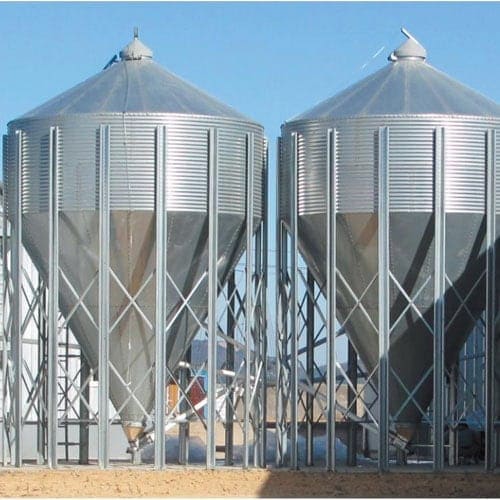
Feed is stored in large bulk feed silos or hoppers outside or at the end of the house. These silos provide a steady supply of feed to the transport system, ensuring continuous operation without frequent refilling.
Feed Transportation Inside the House
Inside the house, a chain or auger line runs the full length of the building. The system pushes or drags feed along the line, filling troughs or pans at regular intervals.
Even Feed Distribution Along the Feeding Line
Modern systems use sensors and timers to ensure every pan or trough receives the same amount of feed, eliminating the uneven distribution common in manual feeding.
Scheduled Feeding Through Controllers
Central controllers allow farmers to set feeding schedules, portion sizes, and even link feeding to bird age or production stage for optimal nutrition.

Key Advantages of Automatic Chicken Feeding Systems
Significant Labor Reduction
Automatic chicken feeding systems typically reduce daily feeding labor by 60–80%. One worker can manage multiple houses instead of spending hours manually filling troughs.
Improved Feed Conversion Efficiency
Uniform feed distribution leads to better FCR (feed conversion ratio). Most farms see an improvement of 0.03–0.08 points after switching to automatic systems.
Reduced Feed Waste and Contamination
Precise portion control and anti-spill designs cut feed waste by 8–15%. Less spillage also means less contamination and lower risk of mold or pests.
More Uniform Flock Growth
Every bird receives consistent nutrition, resulting in better uniformity — critical for both broiler market weight and layer egg production consistency.
Better Management for Large-Scale Poultry Farms
Large operations (50,000+ birds) benefit most from centralized control, remote monitoring, and integration with farm management software.
Automatic Feeding Systems for Different Poultry Types
Broiler Feeding Systems
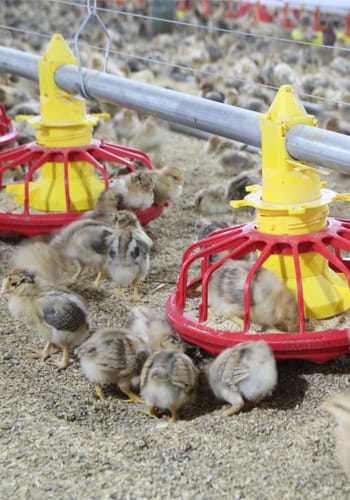
Broiler farms primarily use pan feeding systems. Pans are raised and lowered according to bird age to ensure easy access while minimizing waste.
Layer Cage Feeding Systems
Layer houses most commonly use chain feeding systems running along troughs in front of the cages, providing simultaneous access for all birds.
Breeder Farm Feeding Systems
Breeder farms often combine chain and pan systems with precise portion control to maintain optimal body weight and reproductive performance.
Important Factors When Choosing a Poultry Feeding System
- Farm size and house length
- Bird type (broiler vs layer vs breeder)
- Feed type (mash, crumble, pellet)
- Desired automation level
- Budget and expected ROI
Typical Feeding System Layout in a Commercial Poultry Farm
A typical 120-meter broiler house uses 400–600 pans fed by two main auger lines. Layer houses usually run 2–3 chain feeding lines per tier. The layout is designed to ensure every bird has equal access within minutes of feeding start.
Future Trends in Poultry Feeding Automation
- Sensor-based precision feeding that adjusts portions in real time
- Integration with full poultry farm management systems
- AI-driven feeding schedules based on bird behavior and weight data
- Remote monitoring and mobile app control
Conclusion
An automatic chicken feeding system is now essential equipment for efficient, profitable modern poultry production. It dramatically reduces labor and feed waste while delivering consistent nutrition that improves flock performance and farm profitability.
Need a Professional Automatic Chicken Feeding System Design?
Our engineering team provides complete feeding system layout, equipment selection, and installation support for commercial layer and broiler farms worldwide.
Request Your Free Feeding System Design →
Related Articles
- Poultry Feeding System Price Guide
- Key Components of an Automatic Poultry Feeding System
- Poultry Feeding System for Commercial Farms
- Poultry Feeding System Design for 10,000–50,000 Chickens
By Caroline, Senior Poultry Equipment Specialist at Weifang Splendid Machinery Equipment Co., Ltd. (18 years global experience in broiler & layer systems).
• USDA Livestock & Poultry Outlook, Feb 2026
• Commercial Poultry Feeding System Reports 2025-2026
• Field performance data from commercial layer and broiler farms worldwide