Upgrading to Nipple Drinker Systems: ROI Analysis for Traditional Poultry Farms
Upgrading from open bell drinkers or troughs to automated nipple drinking systems with drip cups is one of the most profitable retrofits for traditional poultry farms. It delivers immediate reductions in water waste, better litter quality, and lower medication costs while improving overall flock health and FCR.
Quick Answer
A typical 20,000-bird house retrofit to nipple drinkers with drip cups costs $4,500–$7,500 and reduces water wastage by 60–75%, lowers litter moisture by 30–40%, and improves medication delivery efficiency. Most farms recover the full investment within 4–6 months through reduced water and veterinary costs.
The Hidden Costs of Open Bell Drinkers and Water Troughs
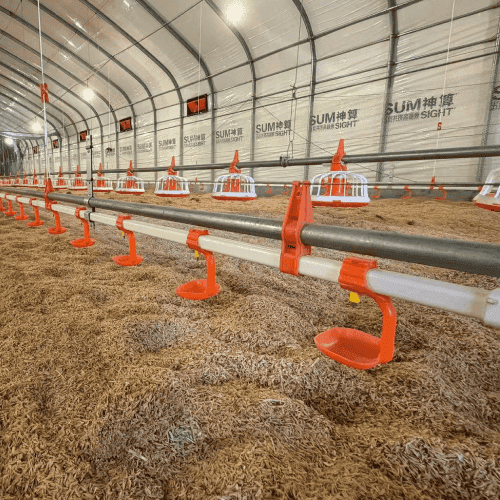
Open bell drinkers and troughs cause massive water spillage, leading to constantly wet litter, high ammonia levels, and increased disease pressure. Birds drink contaminated water, medication is wasted, and labor for frequent cleaning rises sharply. These issues directly damage FCR and raise mortality rates in commercial operations.
Hardware Upgrades: Multi-Stage Nipple Lines with V-Shaped Drip Cups
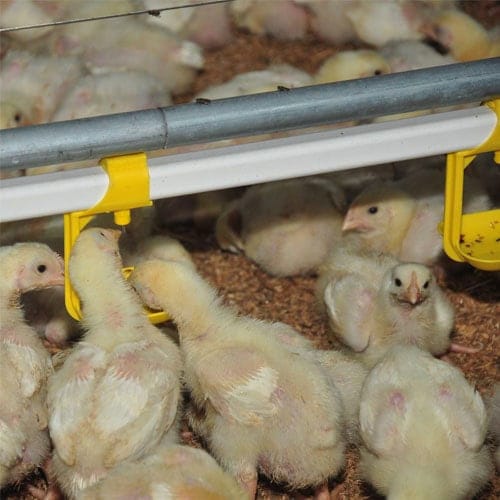
Modern nipple drinker systems use 360° trigger nipples with stainless steel pins and V-shaped drip cups that capture every drop. Lines are installed at precise heights with pressure regulators to deliver clean, fresh water directly to each bird while keeping the floor dry.
Manual vs. Automated Poultry Drinking System Cost & Performance Impact
| Metric | Traditional Bell/Trough | Automated Nipple Lines with Drip Cups |
|---|---|---|
| Water Wastage Rate | 30–50% | 5–10% |
| Litter Moisture % | High (frequent wet spots) | Low and stable |
| Cross-Contamination Risk | High (shared water) | Very low |
| Medication Delivery Efficiency | Poor (high waste) | Excellent (precise dosing) |
| Equipment Payback Period | — | 4–6 months |
Financial Return: Lowering Medication Costs and Improving FCR
Closed nipple systems reduce water medication waste by 40–60% and keep litter drier, lowering respiratory disease incidence. For a 20,000-bird house, this typically translates to $2,000–$4,000 annual savings in medication and improved FCR, delivering full payback within 4–6 months.
Installation Calibration: Water Pressure Regulators & Flush Protocols
Maintain 15–25 cm water column pressure for consistent flow without leakage. Automatic flush valves and proper line slope ensure fresh water reaches every nipple while preventing sediment buildup and bacterial growth.
Conclusion
Upgrading to nipple drinker systems with drip cups is a high-ROI retrofit that solves water waste, litter problems, and medication inefficiency in traditional poultry farms. With proper planning and calibration, farms achieve faster payback and significantly better flock performance.
Need a Free Water Line Retrofit Assessment & Quote?
Our engineering team provides complete retrofit evaluation, equipment selection, and installation support for commercial poultry farms.
Request Your Free Water Line Retrofit Assessment & Quote →
Related Articles
- Poultry Drinking System Price Guide: Cost of Nipple Drinkers for Chicken Farms
- How to Install a Poultry Drinking Line System in a Chicken House (Step-by-Step Guide)
- How Much Water Do Chickens Drink Per Day? (Broiler & Layer Guide 2026)
By Caroline, Senior Poultry Equipment Specialist at Weifang Splendid Machinery Equipment Co., Ltd. (18 years global experience in poultry systems).
• Commercial Poultry Infrastructure Modernization Reports 2025
• Field data from automated retrofitting projects
• Poultry farm performance data from upgraded drinking systems