Why H-Type Multi-Tier Broiler Cages Improve Uniformity (2026)
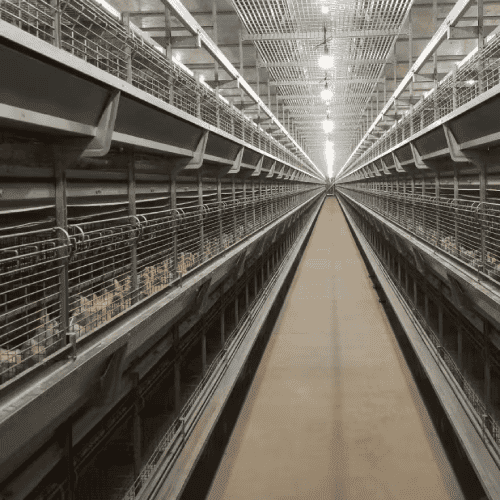
In commercial broiler production, early uniformity directly determines final body weight consistency, feed conversion, and processing yield. H-type multi-tier brooding cages provide a controlled environment that significantly outperforms traditional floor brooding in this critical phase.
Quick Answer
H-type multi-tier brooding cages achieve 95%+ flock uniformity by day 14 while reducing heating energy consumption by approximately 40% compared to traditional floor brooding. The vertical stacked design eliminates thermal variation and prevents weak chicks from being crushed or starved in cold corners.
The Uniformity Crisis in Traditional Floor Brooding Systems
In open floor brooding, temperature and air quality vary significantly across the house. Weak chicks tend to huddle in colder areas or get pushed to the edges, resulting in uneven feed intake and higher mortality. This variation often leads to 8–12% lower uniformity by the end of the brooding period.
Vertical Micro-Climate Control: How Multi-Tier Layouts Standardize Temperature
H-type multi-tier brooding cages create independent micro-environments on each level. Every chick receives consistent temperature, airflow, and light intensity. This standardized condition accelerates early skeletal development and reduces the performance gap between strong and weak birds.
B2B Investment & Performance Matrix: H-Type Brooding Cages vs. Traditional Floor System
| Performance Metric | H-Type Multi-Tier Cages | Traditional Floor Brooding |
|---|---|---|
| Space Utilization Efficiency | Very High (3–4 tiers) | Low |
| 14-Day Flock Uniformity | 94–97% | 82–88% |
| Coccidiosis & Disease Risk | Very Low | High |
| Heating Energy Efficiency | High (40% savings) | Low |
| Labor Cost per 10,000 Chicks | Low | High |
| Payback Period | 2.5–3.5 years | 4–6 years |
Eliminating the Fecal Threat: Automated Manure Belts vs. Wet Litter Diseases
In traditional floor systems, manure accumulates in the litter, creating ideal conditions for Coccidiosis and bacterial growth. H-type cages use automated PP manure belts that remove droppings daily. This dramatically reduces disease pressure and can lower veterinary medication costs by 25–35% during the brooding period.
Maximizing Building ROI: 3x Higher Stocking Density per Square Meter
Multi-tier H-type brooding cages allow 3 to 4 times more chicks per square meter of floor space compared to traditional floor brooding. This higher density significantly improves the return on investment for the poultry house structure and reduces the overall cost per chick reared.

Conclusion
H-type multi-tier brooding cages provide superior flock uniformity, better disease control, and faster return on investment compared to traditional floor brooding. For commercial operations focused on consistent performance and efficient use of building space, multi-tier cage brooding systems offer clear technical and economic advantages.
Need a Free Turnkey Brooding Cage Layout Design & Equipment Quote?
Our engineering team specializes in designing high-density H-type brooding systems tailored to your climate and production goals.
Request Your Free Turnkey Brooding Cage Layout Design & Equipment Quote →
Related Articles
- How to Adjust Automated Feeding and Drinking Lines for Day-Old Chicks (2026)
- Calibrating Minimum Ventilation and Static Pressure for Poultry Brooding Periods (2026)
By Caroline, Senior Poultry Equipment Specialist at Weifang Splendid Machinery Equipment Co., Ltd. (18 years global experience in commercial poultry brooding systems).
• International Poultry Brooding Engineering Standards 2025-2026
• Commercial Broiler Production Performance Data
• Field reports from multi-tier brooding cage installations