Choosing the Right Auger & Motor for Automatic Feeding Lines (2026)
In automated broiler feeding systems, the auger and drive motor are the most stressed mechanical components, especially during the late grow-out stage when birds consume large volumes of feed. Selecting the correct specifications directly impacts system reliability, feed uniformity, and long-term operating costs.
Quick Answer
For commercial broiler feeding lines, high-tensile helical augers combined with properly rated IP55 drive motors are essential. Using high-carbon steel augers with sufficient transport capacity (275–350 kg/h) and 0.75kW–1.1kW motors ensures reliable performance under heavy late-cycle feed loads.
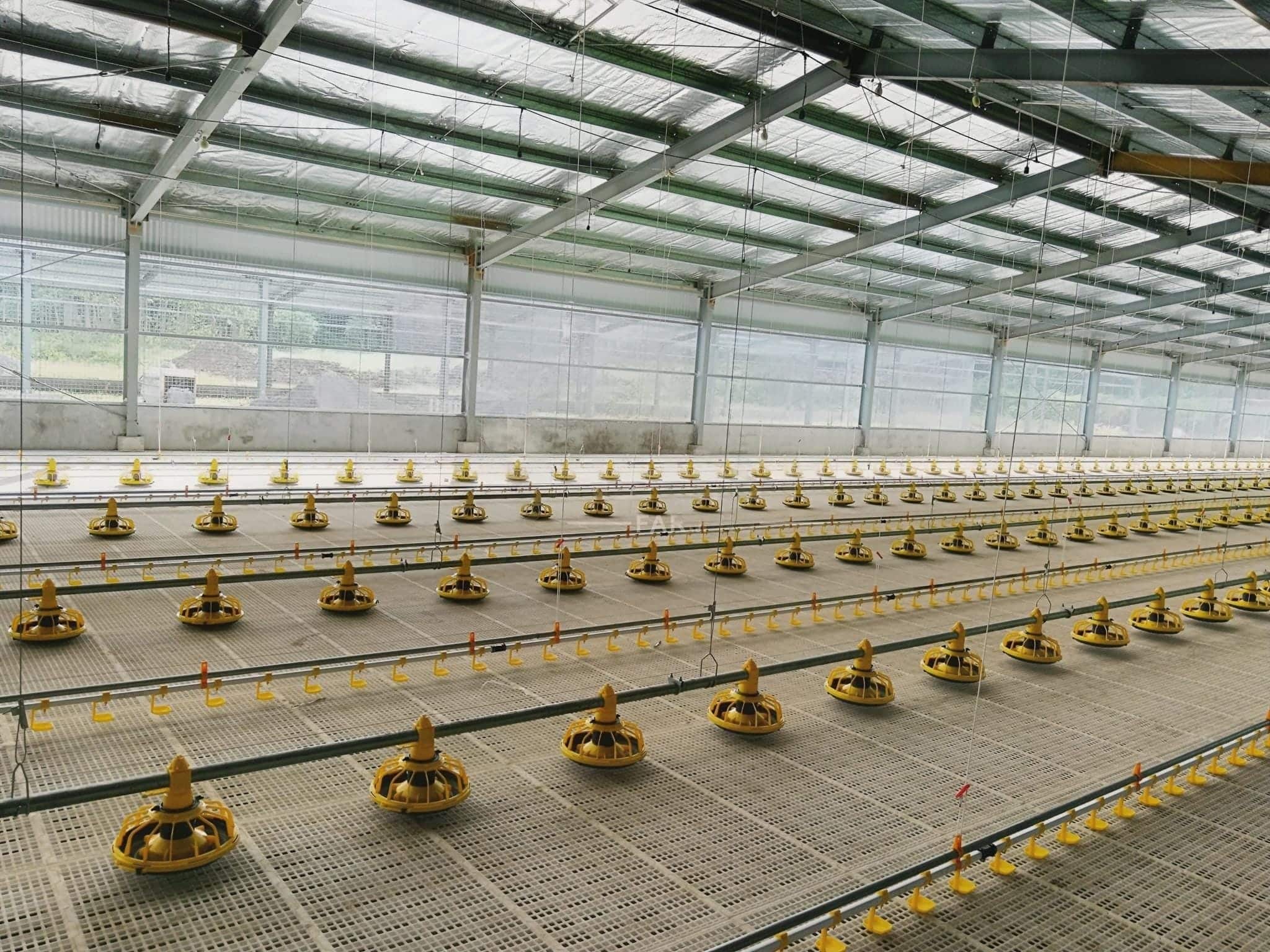
The Late-Cycle Load Crisis: Why Cheap Feeding Hardware Fails
As broilers approach market weight, daily feed consumption increases sharply. Low-grade augers often deform or break under continuous heavy load, causing feed blockages and uneven distribution. This directly impacts feed conversion ratio and increases maintenance costs.
Selecting the Perfect Helical Auger: Material Grade and Tensile Strength
High-quality augers for broiler feeding lines should be made from high-carbon steel with good tensile strength. The helical design and tube inner diameter must support high feed volumes without excessive wear or feed particle damage during long-distance transport.
Technical Specifications for Heavy-Duty Broiler Auger & Motor Lines (2026 Standards)
| Component Name | Material / Protection Grade | Technical Metric | Max Mechanical Load | Service Life Expectancy |
|---|---|---|---|---|
| Helical Auger Coil | High-carbon steel | Transport Capacity: 275–350 kg/h | Heavy feed load (late stage) | 5–7 years |
| Transport Tube | Galvanized steel | Inner diameter: 60–75 mm | Continuous operation | 8–10 years |
| Drive Motor | IP55 waterproof & dustproof | Power: 0.75kW – 1.1kW | Long lines (>100m) | 6–8 years |
Calibrating the Driving Motor: Power Ratings and Protection Classes
Motor power should be selected based on feeding line length and expected load. Longer lines (over 100–120 meters) generally require 1.1kW motors with thermal overload protection to prevent overheating during peak demand periods.
Preventing Feed Segregation: How Transport Tube Symmetrical Layouts Secure FCR
Proper auger speed and symmetrical tube layout help maintain consistent feed quality during transport. Excessive speed or poor alignment can cause particle separation, negatively affecting feed conversion ratio.

Conclusion
Choosing the right auger material and motor specification is critical for reliable performance in automated broiler feeding systems. High-carbon steel augers with adequate transport capacity and properly rated IP55 motors reduce downtime and maintain feed uniformity throughout the grow-out period.
Need a Free Turnkey Broiler Feeding System Layout Design & Parts Quote?
Our engineering team provides professional support for selecting and configuring augers, motors, and complete feeding line systems.
Request Your Free Turnkey Broiler Feeding System Layout Design & Parts Quote →
Related Articles
- Turnkey Investment & Cost Analysis for a 30,000 Bird Automated Broiler Cage House (2026)
- Heavy-Duty Exhaust Fans for Broiler Houses: Drop Hammer vs. Butterfly Cone Layouts (2026)
By Caroline, Senior Poultry Equipment Specialist at Weifang Splendid Machinery Equipment Co., Ltd. (18 years global experience in automated poultry feeding systems).
• Commercial Poultry Feeding System Engineering Standards 2025-2026
• Automated Broiler Feeding Line Performance Data
• Field reports from heavy-duty auger and motor installations in broiler houses