Calibrating Wind Velocity and Static Pressure in Multi-Tier Broiler Cages
Precise calibration of wind velocity and static pressure is the foundation of effective tunnel ventilation in multi-tier H-type broiler cages. Maintaining optimal airflow through dense vertical tiers is critical to removing metabolic heat and preventing dead zones in high-density operations.
Quick Answer
In 2026 multi-tier broiler cages, target wind velocity at bird level must reach 3.0–3.5 m/s and static pressure 20–35 Pa. These settings achieve 8–10°C effective temperature reduction, eliminate stagnant air in middle tiers, and maintain ammonia below 15 ppm across all cage levels.
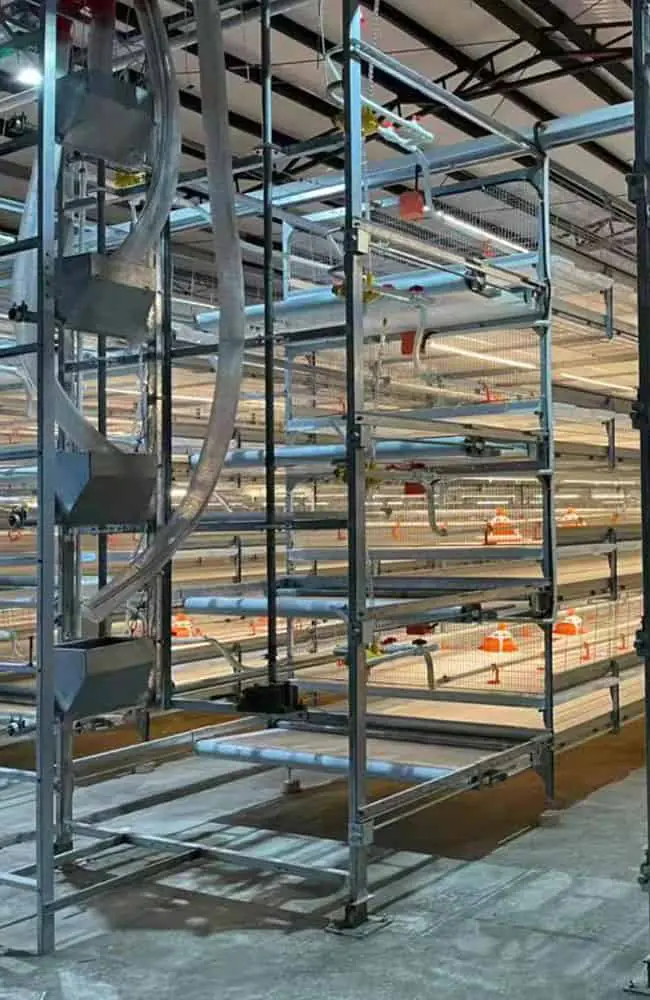
The "Solid Wall" Airflow Obstacle in High-Density Broiler Cages
Thousands of heavy meat birds packed tightly across 3-4 vertical tiers act as a physical barrier, blocking traditional tunnel air paths. This creates deadly heat zones in middle and lower tiers if wind velocity and static pressure are not properly calibrated.
Step 1: Calibrating Negative Static Pressure to Eradicate Stagnant Air Zones
High-torque actuators adjust automated side air inlets to inject fresh outside air forcefully into the house center. Maintaining 20–35 Pa static pressure ensures uniform airflow penetration through all cage tiers and eliminates stagnant zones.
Airflow Thresholds across Multi-Tier Broiler Cage Levels (2026 Standards)
| Parameter | Recommended Threshold |
|---|---|
| Target Wind Velocity m/s | 3.0–3.5 m/s at bird level |
| Static Pressure Range Pa | 20–35 Pa |
| Air Exchange Rate seconds | 30–45 seconds per volume |
| Maximum Ammonia Concentration ppm | ≤15 ppm |
| Average Temperature Uniformity Difference | ≤1.5°C across tiers |
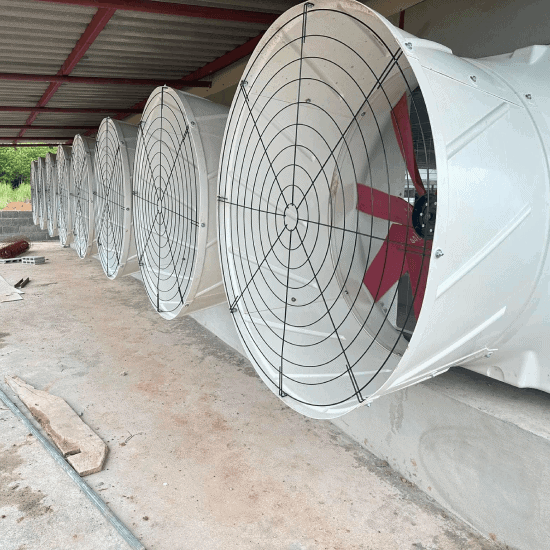
Step 2: Running Heavy-Duty Tunnel Fans for Peak Wind-Chill Cooling
Heavy-duty tunnel fans must deliver continuous 3.0 m/s minimum wind velocity measured at bird level inside the cage mesh. This creates effective wind-chill cooling that drops felt temperature by 8–10°C even when outside air exceeds 35°C.
Smart Controller Integration: Preventing Variable Static Dropouts
Connecting exhaust fans to central intelligent controllers automates fan stages based on real-time sensors. This prevents sudden pressure loss and maintains stable negative pressure throughout the house, ensuring consistent airflow in all tiers.
Conclusion
Accurate calibration of wind velocity and static pressure is essential for successful tunnel ventilation in multi-tier broiler cages. Maintaining 3.0–3.5 m/s at bird level and 20–35 Pa static pressure eliminates heat stress, improves uniformity, and maximizes performance in high-density commercial operations.
Need a Free Enclosed Broiler Cage Ventilation Design & Fan Quote?
Our engineering team provides complete turnkey ventilation design, fan selection, and calibration support for multi-tier broiler cage houses.
Request Your Free Enclosed Broiler Cage Ventilation Design & Fan Quote →
Related Articles
- Optimizing Broiler Cage Floor Mesh Design to Prevent Breast Blisters (2026)
- How Automatic Harvesting Systems Reduce Bird Damage in Commercial Broiler Cages
By Caroline, Senior Poultry Equipment Specialist at Weifang Splendid Machinery Equipment Co., Ltd. (18 years global experience in broiler systems).
• Global Poultry Ventilation & Aerodynamics Standards 2025-2026
• Commercial Broiler Cage Climate Control Reports 2025-2026
• Field data from tunnel ventilation installations in H-type broiler cages