How to Calibrate Automated Broiler Cage Drinking Lines for Variable Growth Stages
In H-type multi-tier broiler cage systems, proper calibration of nipple drinking lines is critical for maintaining flock health and preventing equipment failure. Incorrect pressure or line height settings can cause either dehydration in young chicks or severe leakage that saturates manure belts in lower tiers.
Quick Answer
Effective calibration requires adjusting centralized water pressure from an ultra-low 10–15 cm column for day-old chicks up to 35–45 cm for market-weight birds, while raising drinking line height in sync with bird growth. This prevents both dehydration and cage-end flooding that leads to wet manure belts and increased ammonia.
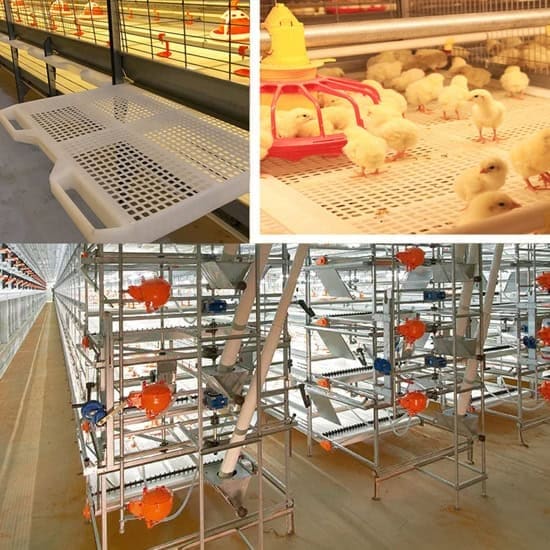
The Metabolic Hydration Challenge in High-Density Broiler Cages
Fast-growing broilers increase daily water intake by over 400% from day 1 to harvest. In vertical multi-tier cage systems, any mismatch between water pressure, nipple flow rate, and bird height quickly results in either insufficient intake for upper-tier birds or excessive leakage that floods lower manure belts.
Week 1: Calibrating Ultra-Low Pressure for Day-Old Chicks
During the first week, water pressure must be set extremely low (10–15 cm column). This allows day-old chicks with soft beaks to trigger nipples with minimal force while preventing water from spraying or dripping excessively onto the cage floor and manure belt below.
Water Pressure & Height Calibration Standards for Multi-Tier Broiler Cages (2026 Metrics)
| Broiler Age (Days) | Target Water Pressure Column Height | Nipple Flow Rate (ml/min) | Drinking Line Height Target | Inspection / Flushing Interval |
|---|---|---|---|---|
| 0–7 | 10–15 cm | 25–40 | Low (chick eye level) | Every 3 days |
| 8–14 | 15–25 cm | 40–60 | Medium (adjust upward) | Every 4 days |
| 15–28 | 25–35 cm | 60–80 | Aligned with bird back (45° angle) | Every 5–6 days |
| 29–Harvest | 35–45 cm | 80–110 | Aligned with bird back (45–60° angle) | Weekly |
Week 3 to Harvest: Elevating Line Height and Pressure Parameters
As birds grow, the centralized winch system should be used to gradually raise each tier’s drinking line so that nipple pins align with the bird’s eye level or back at a 45–60 degree comfortable pecking angle. At the same time, main pressure regulators must be increased to maintain adequate flow without causing end-of-line leakage.
Preventing System Biofilm: High-Pressure Automatic Flushing Protocols
Low-pressure operation during early weeks increases the risk of sediment buildup and biofilm inside the pipes. Automated flush valves should be activated weekly at high pressure to clear lines, especially in lower tiers where leakage can quickly contaminate manure belts and raise ammonia levels.

Conclusion
Precise calibration of water pressure and drinking line height across different growth stages is essential for maintaining bird welfare and protecting equipment in H-type multi-tier broiler cage systems. Proper settings reduce both dehydration risk and leakage-related maintenance costs.
Need a Free Turnkey Broiler Cage Layout Design & Water Line Equipment Quote?
Our engineering team provides complete drinking line design, pressure regulation planning, and equipment selection for automated H-type broiler cage projects.
Request Your Free Turnkey Broiler Cage Layout Design & Water Line Equipment Quote →
Related Articles
- How to Choose the Right Auger and Motor for Automatic Broiler Feeding Lines
- Heavy-Duty Exhaust Fans for Broiler Houses: Drop Hammer vs. Butterfly Cone Layouts
- Evaporative Cooling Pad System for Poultry Houses
By Caroline, Senior Poultry Equipment Specialist at Weifang Splendid Machinery Equipment Co., Ltd. (18 years global experience in automated poultry cage systems).
• Commercial Poultry Cage Drinking System Engineering Standards 2025-2026
• Automated Broiler Cage Water Line Performance Data
• Field reports from H-type multi-tier broiler cage installations