Organic vs. Conventional Poultry Farms: Equipment Guide & Differences
Key Takeaways
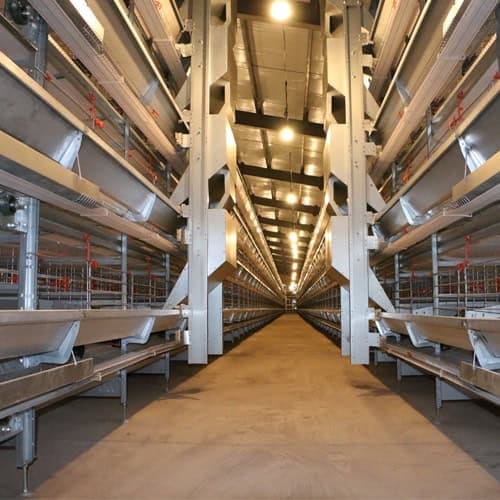
- Core Contrast: Conventional poultry farms rely on high-density, automated indoor systems (such as H-type layer cages), whereas organic farms emphasize free-range access and animal welfare.
- Essential Equipment: Both models depend on robust infrastructure, with organic setups uniquely requiring specialized chicken nesting boxes for egg collection.
- Automated Systems: Efficient poultry drinking systems and poultry feeding lines are critical across both systems to maintain optimal feed conversion ratios and flock health.
Understanding the operational and structural differences between organic and conventional poultry farms is vital for poultry producers and investors. Modern agricultural engineering dictates distinct hardware choices based on environmental control, stocking density, and welfare certifications.
In modern industrial chicken farming and smart solutions, system architecture defines production efficiency. Below, we break down the operational mechanics, equipment configurations, and technical parameters separating organic systems from traditional, high-density operations.
Engineering Note: Technical parameters must never be crossed. For instance, equipment designed for intensive cage rearing (like tiered manure belts) cannot be misapplied to deep-litter organic floor systems without severe failure in hygiene and structural compliance.
1. Structural Comparison: Conventional vs. Organic Production
Conventional poultry farming typically utilizes high-density indoor environments, maximizing space utilization through multi-tier battery cages (such as H-type layer cages). In contrast, organic poultry farming prioritizes outdoor access, scratching areas, and lower stocking densities per square meter to comply with strict animal welfare standards.
2. Essential Equipment Focus: Nesting Boxes, Water Lines, and Feeding Lines
While management styles differ, core utilities like poultry drinking systems and poultry feeding lines remain universal, though their layout changes based on the rearing environment.
Chicken Nesting Boxes for Organic Systems
Unlike fully automated cage setups where eggs roll directly onto collection belts via wire mesh floors, organic floor-rearing systems required dedicated chicken nesting boxes. These boxes provide a dark, secure, and clean environment for laying hens, significantly reducing floor eggs and minimizing cracked or dirty shells.
Precision Water and Feed Distribution
Maintaining a precise FCR (Feed Conversion Ratio) requires robust automated machinery:
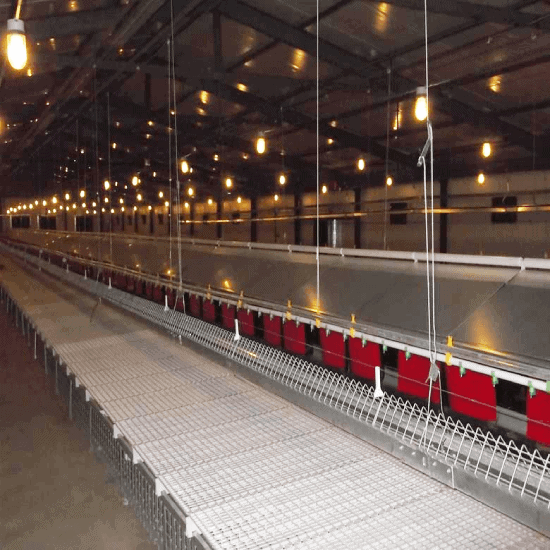
- Poultry Feeding Lines: Deliver feed evenly across the house, preventing feed wastage and ensuring uniform growth or egg production.
- Poultry Drinking Systems: Utilize nipple drinkers with adjustable water pressure regulators to keep bedding dry in organic floor systems or maintain clean lines in cage systems.
Pro-Tip from Senior Engineers: In organic floor systems, management of the litter layer around feeding and drinking zones is critical to prevent moisture buildup and subsequent ammonia spikes.
3. Technical Parameter Comparison
| Parameter / Feature | Conventional Poultry Farm | Organic Poultry Farm |
|---|---|---|
| Stocking Density | High density (multi-tier cage configurations) | Lower density with mandatory outdoor run access |
| Egg Collection Mechanism | Automatic egg collection belts | Manual or community chicken nesting boxes |
| Feeding & Drinking | Fully automated pan/chain feeding & nipple lines | Adapted poultry feeding lines and nipple systems |
Frequently Asked Questions (FAQ)
1. Do organic poultry farms require specialized nesting boxes?
Yes. Because organic systems rely on floor-rearing or free-range environments rather than cages, high-quality chicken nesting boxes are essential to ensure clean egg production and reduce broken rates.
2. Can the same automated feeding lines be used in both setups?
While the mechanical components share similarities, the layout and distribution paths must match the specific housing design (floor space vs. multi-tier battery systems) to prevent technical discrepancies.
3. Which system offers higher space utilization efficiency?
Conventional cage systems (such as H-type configurations) offer significantly higher vertical space utilization and lower land requirements per bird compared to extensive organic farms.
Related Resources & Guides
Ready to Upgrade Your Poultry Farm Infrastructure?
Contact our engineering team today for custom equipment layouts, equipment sizing, and professional quotation services tailored to your project.
Contact Us Today