How Much Money Can You Make from a 10,000-Chicken Farm? A Comprehensive Profit & Equipment Guide
Key Takeaways
- Profit Potential: A commercial 10,000-chicken farm can yield substantial net annual profits, heavily dictated by system choice (layers vs. broilers), feed conversion ratio (FCR), and local market pricing.
- System Efficiency: Utilizing advanced chicken layer cage design or broiler chicken cage configurations maximizes vertical space and reduces bird mortality.
- Operational Success: Precise management of feed, automated poultry feeding and drinking system setups, and high-quality layer hen nesting boxes for floor/organic systems are critical to protecting profit margins.
Entering the poultry business is one of the most reliable ventures in modern agriculture, but aspiring investors always ask the ultimate question: How much money can I realistically make? While revenue depends heavily on regional market conditions, evaluating a standard baseline—such as a 10,000-bird flock—provides a clear, quantifiable financial model.
Achieving profitability is not just about bird count; it is a meticulous equation balancing capital expenditure (CapEx), operating expenses (OpEx), poultry breeds, housing configurations, and automated equipment efficiency. This guide breaks down the economics and essential infrastructure needed to turn a 10,000-chicken farm into a highly lucrative enterprise.
1. Initial Investment & Infrastructure: The Foundation of Profitability
Before calculating returns, you must establish the capital layout. For a 10,000-chicken operation, the housing infrastructure and internal equipment represent your primary capital investment. Modern steel structure poultry houses engineered for optimal ventilation and climate control set the stage for low mortality and high productivity.

2. Breed Selection: Layers vs. Broilers
Your business model changes drastically depending on whether you choose to raise egg-laying hens (layers) or meat chickens (broilers). Each model has distinct cash flow cycles:
- Layer Chickens (Egg Production): Typically productive from 18 to 72+ weeks. Daily egg collection provides steady, predictable cash flow, though initial setup costs for equipment are higher.
- Broiler Chickens (Meat Production): Fast turnover with a growth cycle of just 6 to 8 weeks. You can cycle 4 to 5 batches per year, but profits are tightly coupled with volatile local meat prices.
3. Equipment Strategy: Caged Systems vs. Floor Raising
How you house your 10,000 birds dictates labor costs, floor space utilization, and overall feed efficiency. Choosing between cage and floor configurations requires careful financial modeling.
Cage Systems (H-Type & A-Type)
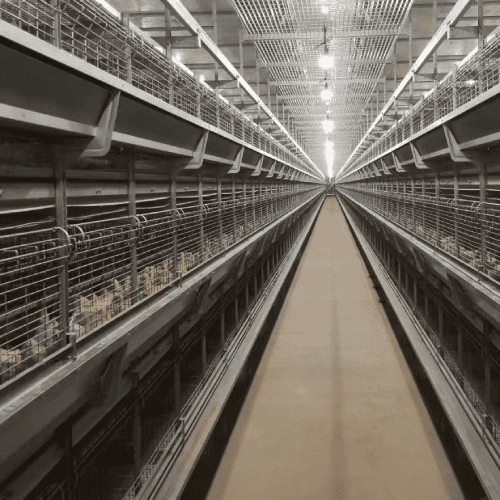
For high-density operations, automated battery cages maximize vertical space and dramatically reduce feed contamination. Investing in premium chicken layer cage design or robust broiler chicken cage units allows 10,000 birds to be housed in a compact footprint with automated manure removal and egg collection.
Floor Systems & Essential Nesting Infrastructure
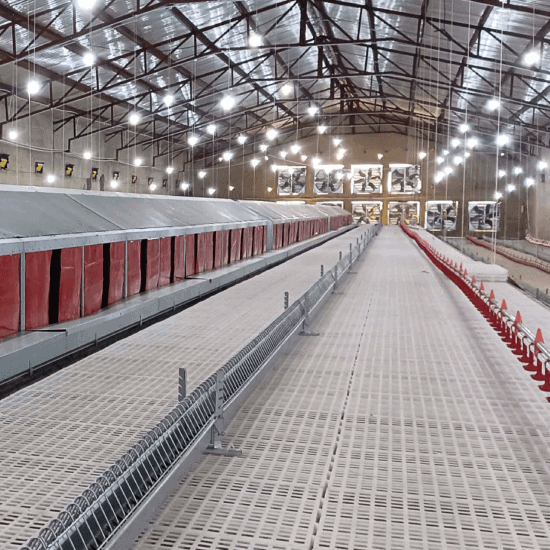
If you operate a floor-raising system or organic facility, bird freedom increases, but so does the need for specialized accessories. To prevent egg breakage and maintain cleanliness, reliable layer hen nesting boxes are indispensable.
4. Automated Feeding & Watering: Protecting Your Margins
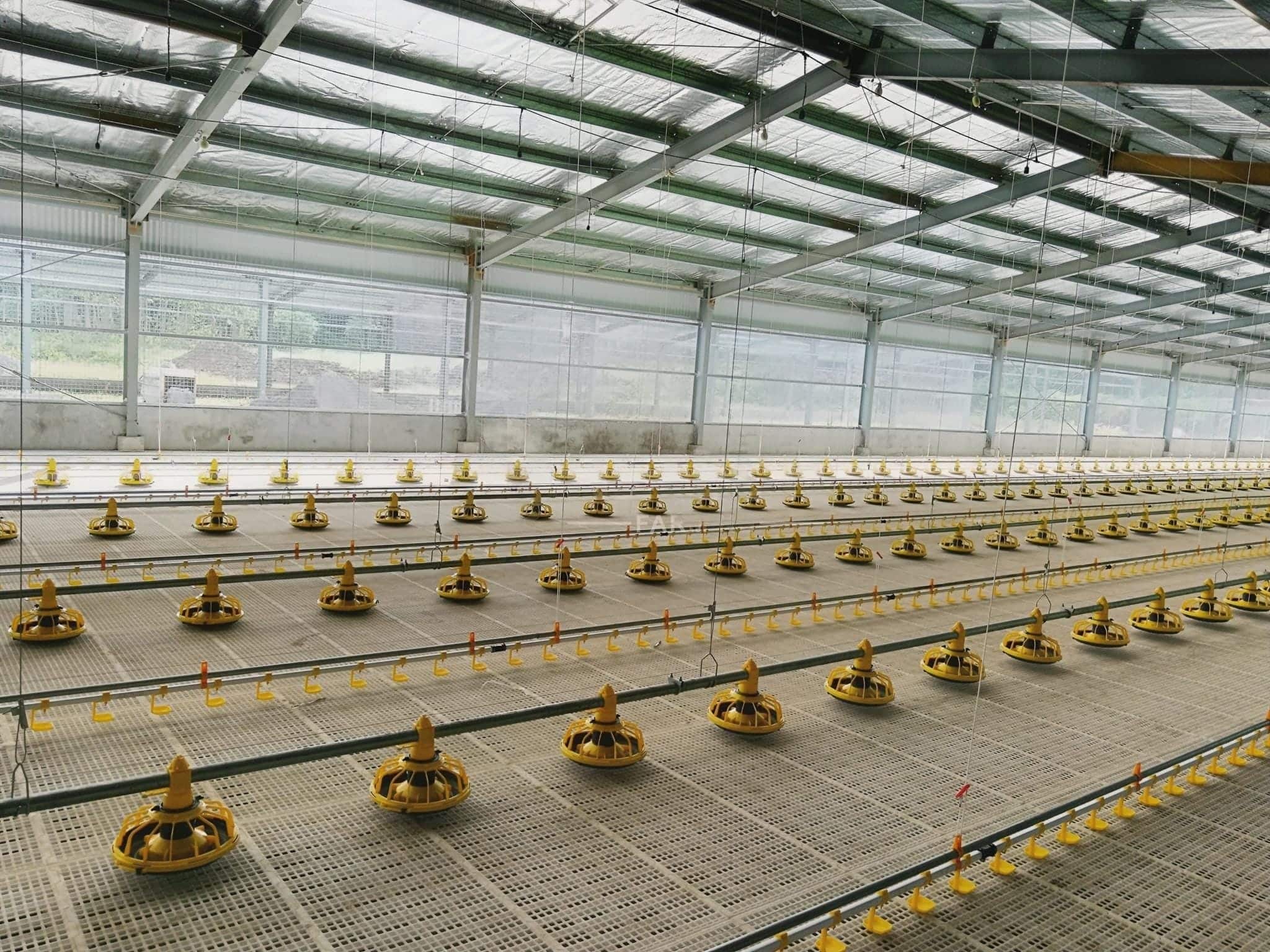
Feed accounts for 60% to 70% of total operating expenses in poultry farming. Even a minor feed wastage rate can siphon thousands of dollars from your annual net profit. A fully integrated poultry feeding and drinking system—comprising automated pan feeders and nipple drinking lines with pressure regulators—ensures exact feed distribution and pristine water hygiene, optimizing the Feed Conversion Ratio (FCR).
5. The 10,000-Chicken Financial Profit Model (Estimates)
To give you a realistic economic perspective, consider the following general framework for a 10,000-bird layer operation:
| Cost / Revenue Component | Estimated Proportion / Impact | Key Optimization Strategy |
|---|---|---|
| Feed Expenses | 65% - 70% of total OpEx | Use automated feeding lines to eliminate spillage. |
| Chicks / Pullets | 10,000 initial stock investment | Sourcing high-health-status genetics. |
| Veterinary & Vaccines | 5% - 8% of operating budget | Strict biosecurity and climate-controlled ventilation. |
| Egg / Meat Revenue | Driven by 90%+ laying peak / fast growth | Maximize egg cleanliness via quality nesting boxes or cages. |
6. Hidden Factors That Make or Break Your Profits
- Mortality Rate Control: Even a 2% increase in bird mortality across 10,000 birds translates into significant revenue loss. Proper ventilation and automated drinking systems are your best defense.
- Local Market Dynamics: The spread between local feed ingredient costs and farm-gate egg/meat prices dictates your net profit margin.
- Labor Efficiency: Automated equipment shifts your labor force from manual feeding and cleaning to management and quality control, lowering recurring operational costs.
Related Guides & Resources
Organic vs. Conventional Poultry Farms: Equipment Guide & Differences
Complete Guide to Starting a Layer Poultry Farm: Essential Steps and Modern Equipment Solutions
7. Frequently Asked Questions (FAQ)
What is the best system for a 10,000-bird farm, cages or floor?
Cage systems (like H-type or A-type) are ideal if space is limited and you want maximum feed efficiency and automated manure handling. Floor-raising systems are better suited for organic or free-range branding where market premiums offset higher labor and space requirements.
How long does it take to get a return on investment (ROI) for 10,000 chickens?
Typically, a commercial layer or broiler operation achieves full ROI within 2 to 3 years, depending on initial capital expenditure for automated equipment, local feed costs, and prevailing market prices for eggs or meat.
Why is automated feeding and drinking crucial for a 10,000-bird flock?
Manual management for 10,000 birds requires immense labor and invariably leads to high feed spillage and water contamination. Automated pan feeders and nipple lines drastically cut down operating waste and safeguard bird health.
Ready to Maximize Your Poultry Farm Profitability?
Contact our engineering team today for customized 10,000-bird layout designs, automated equipment selection, and professional quotes tailored to your project.
Contact Us Now