How Automatic Egg Collection Systems Work in Modern Layer Farms
An automatic egg collection system in modern layer farms uses gentle roll-out nest floors and conveyor belts to collect eggs automatically as soon as they are laid, reducing labor by up to 70% and minimizing cracked or dirty eggs. This automatic egg collection system is now standard in both H-Type and A-Type cage houses worldwide.
Quick Answer: The automatic egg collection system works by tilting the nest floor so eggs roll gently onto a moving belt, which carries them to a central collection table or packing station. Modern systems include sensors that stop the belt when full, achieving 95–98% clean egg collection with almost zero manual labor.
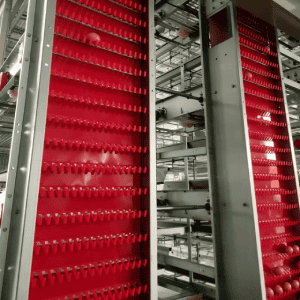
How an Automatic Egg Collection System Works – Step by Step
- Hens lay eggs in specially designed nest boxes with a gentle slope.
- Eggs roll onto a soft conveyor belt within seconds.
- The belt moves eggs to the end of the house at controlled speed.
- Sensors detect full trays and pause the system automatically.
- Eggs arrive at a central packing station ready for grading and packing.
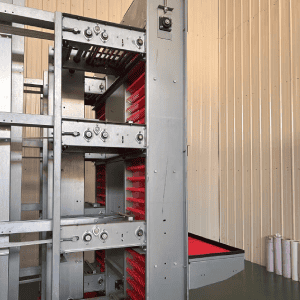
Main Components of an Automatic Egg Collection System
A modern automatic egg collection system typically includes:
- Egg conveyor belts installed along each cage row
- Egg elevator to transfer eggs between tiers
- Central egg collection table or packing station
- Speed control motors to prevent egg damage
- Sensors that stop the belt when trays are full
Automatic Egg Collection System Performance Comparison
| System Type | Egg Collection Rate | Labor Savings | Cracked Egg Rate | Best For |
|---|---|---|---|---|
| Manual Collection | 70–80% | 0% | 5–8% | Very small farms |
| Semi-Automatic | 85–92% | 40–50% | 2–4% | Medium farms |
| Full Automatic Egg Collection System | 95–98% | 65–75% | <1% | Commercial layer farms |
Real Farm Scenario
A 120,000-layer farm in the Philippines installed a full automatic egg collection system integrated with H-Type cages. Daily labor for layer farm egg collection dropped from 8 workers to 2, cracked eggs fell from 6% to 0.8%, and monthly egg output increased by 9%. The system paid for itself in 10 months.
Why Modern Layer Farms Use Automatic Egg Collection Systems
- Reduces labor costs dramatically
- Keeps eggs cleaner and reduces breakage
- Improves biosecurity by minimizing human contact
- Works perfectly with both A-Type and H-Type cage systems
- Provides consistent collection even during peak laying hours
FAQ – Common Questions from Layer Farm Owners
Q: How does an automatic egg collection system work?
A: Eggs roll gently from the nest onto a conveyor belt that carries them to a central collection point automatically.
Q: Can an automatic egg collection system be added to existing layer houses?
A: Yes — most farms can retrofit it to both A-Type and H-Type cages without major reconstruction.
Q: What is the typical egg collection rate of a modern automatic egg collection system?
A: 95–98% clean collection with less than 1% breakage.
Q: How much labor can an automatic egg collection system save?
A: Usually 65–75% reduction in daily egg collection labor.
Q: Is the automatic egg collection system suitable for hot climates?
A: Yes — when combined with proper tunnel ventilation it performs extremely well in Nigeria, Saudi Arabia, Philippines and Kenya.
Ready to Upgrade Your Layer Farm with an Automatic Egg Collection System?
Our engineers can design a complete automatic egg collection system tailored to your current cage type, house layout and production goals.
Get a Free Layer Farm Egg Collection System Design →
Related Guides for New Layer Farms
- A-Type vs H-Type Cost Comparison
- How Many Chickens Can Be Kept in a 4 Tier Layer Cage System?
- What Is the Best Ventilation System for Layer Chicken Houses?
- Ideal Temperature and Humidity for Layer Chicken Houses
By Caroline, Senior Poultry Equipment Specialist at Weifang Splendid Machinery Equipment Co., Ltd. (18 years global experience in broiler & layer systems, has helped 200+ farms in Nigeria, Saudi Arabia, Philippines and Kenya).
• USDA Livestock & Poultry Outlook, Feb 2026
• Commercial Layer Housing Reports 2025-2026
• Field data from automatic egg collection installations worldwide
Also read: Nest Box Systems | Global Project Cases