Complete Guide to Starting a Layer Poultry Farm: Essential Steps and Modern Equipment Solutions
Starting a successful commercial layer poultry farm requires a structured feasibility study, strict biosecurity site selection, and the integration of automated layer equipment such as H-type multi-tier cages and automated egg collection systems. This comprehensive guide outlines the essential steps to plan, build, and equip a high-yield commercial egg production facility.
1. Market Research and Feasibility Study for Egg Production
Before investing capital into land and infrastructure, a thorough market analysis is critical. The success of a layer chicken farming business relies heavily on local demand for table eggs, regional pricing trends, and proximity to feed mills and distribution channels.
- Analyzing Local Egg Demand: Identify whether the market prefers white or brown eggs, and understand sizing preferences (small, medium, large, jumbo).
- Target Audience and Channels: Determine your primary B2B or B2C buyers, such as local supermarkets, wholesale wet markets, or institutional food service providers.
- Initial Capital Allocation: Balance your budget across land acquisition, construction of environmentally controlled houses, high-efficiency equipment, and working capital.
2. Essential Steps to Start a Commercial Poultry Farm
Executing a structured rollout minimizes financial risks and ensures smooth operational commissioning.
Step 1: Site Selection and Biosecurity Zoning
Choose a location with good road access, reliable electricity, and sufficient water supply. Ensure the site complies with local agricultural zoning laws and maintains a safe distance from other livestock farms to enhance biosecurity.
Step 2: Modern Chicken House Design
Modern poultry housing must prioritize ventilation, temperature control, and disease prevention. Whether opting for open-sided houses or fully enclosed environmental control systems, layout design must optimize labor efficiency.
3. Choosing the Right Layer Poultry Farming Equipment
The profitability of a modern egg-producing facility depends directly on the level of automation and the durability of the machinery installed. Upgrading your infrastructure with advanced layer farm equipment drastically reduces labor costs and feed wastage while maximizing egg collection rates.
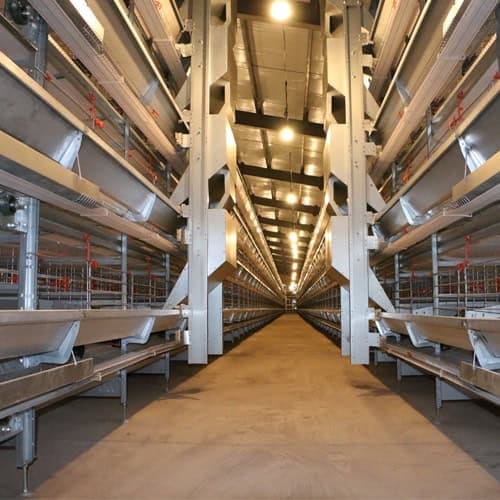
Core Equipment Systems Required:
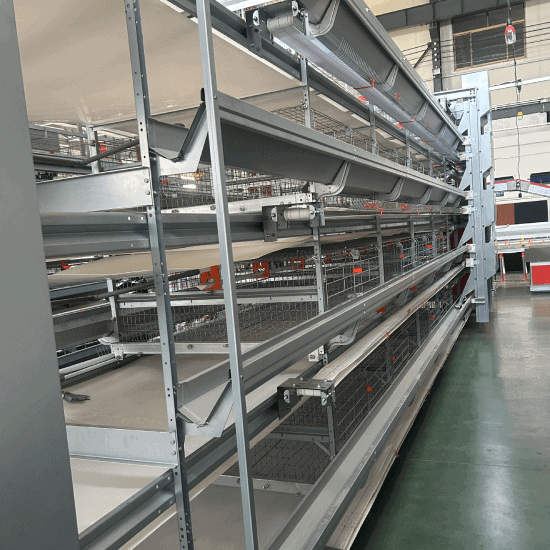
- Automated Cage Systems: Multi-tier H-type or A-type layer cages designed to maximize stocking density per square meter while ensuring optimal bird welfare.
- Automatic Feeding Systems: Precision feed carts or auger systems that distribute feed evenly across all tiers, preventing segregation and reducing feed loss.
- Automated Egg Collection Systems: Gentle belt collection mechanisms that transport eggs directly from the cages to the packing room, significantly minimizing crack rates.
- Manure Removal Systems: High-efficiency scraping or belt removal mechanisms that maintain a clean indoor environment and reduce ammonia levels.
- Environmental Control Systems: Automated exhaust fans, cooling pads, and digital climate controllers to regulate temperature and humidity year-round.
Comparison: A-Type vs. H-Type Layer Cage Systems
Choosing the correct cage system dictates your long-term operational efficiency. Below is a detailed technical comparison for commercial layer farms:
| Performance Metrics | A-Type Traditional Cages | H-Type Automated Cages |
|---|---|---|
| Stocking Density | Lower (Limited by floor tiers) | High (Multi-tier vertical stacking) |
| Automation Level | Semi-automated / Manual collection | Fully automated (Feeding, eggs, manure) |
| Labor Cost | High (Requires more daily operators) | Minimal (1-2 workers per house) |
| Ideal Farm Scale | Small to medium scale farms | Large-scale industrial poultry plants |
4. Operational Management and Biosecurity Best Practices
Once your facility is operational, daily management dictates your long-term return on investment (ROI). Implement strict biosecurity protocols and precise nutritional feeding to maintain high egg production rates throughout the laying cycle.
Frequently Asked Questions
What is the most efficient cage system for commercial layer farming?
H-type automated layer cages are widely considered the most efficient system due to their high stocking density, superior ventilation compatibility, and seamless integration with automatic feeding, egg collection, and manure removal systems.
How long does it take for a layer poultry farm to become profitable?
Typically, a commercial layer farm begins generating consistent revenue once pullets reach peak egg production (around 20 to 24 weeks of age), with a full return on initial capital investment usually realized within 2 to 3 cycles depending on scale and market egg prices.
What are the primary utility requirements for an automated layer chicken farm?
Essential utilities include a stable three-phase power supply backed by an automatic generator, a continuous and clean water supply for drinking and cooling pads, and adequate high-speed internet or cellular signal for digital climate monitoring controllers.
How can automated equipment reduce egg breakage rates?
Automated egg collection systems utilize specialized flexible buffer belts and variable-speed collection motors that transport eggs smoothly from individual cage tiers to the central packing table, reducing the crack rate to under 1%.
Planning to Build a High-Efficiency Commercial Layer Farm?
Get turnkey solutions, complete equipment layout designs (H-type cages, feeding & ventilation lines), and an accurate estimate customized to your project scale.
Request a Custom Project Estimate