How to Configure Automated Broiler Harvesting Systems to Reduce Damage Rates
In modern H-type multi-tier broiler cage houses, automated harvesting systems significantly reduce bird stress and injury compared to manual catching. Proper synchronization of tilting cage floors, conveyor belts, and elevator lifts is essential to keep downgrade and bruising rates below 1%.
Quick Answer
Maintaining harvesting belt speeds between 3–5 m/min combined with a 15-degree soft-rubber elevator incline can reduce broiler downgrade and bruising rates below 1%. Precise speed matching between longitudinal belts and vertical lifts prevents pile-ups and blunt impacts during transfer.

The Hidden Downstream Loss: How Manual Catching Stress and Bruising Destroy Slaughterhouse ROI
Manual catching often causes wing fractures, leg injuries, and deep chest hematomas. These defects lead to heavy price penalties at the processing plant and significantly reduce the proportion of premium-grade meat.
Step 1: Calibrating Tilting Cage Floors and Longitudinal Harvesting Belts
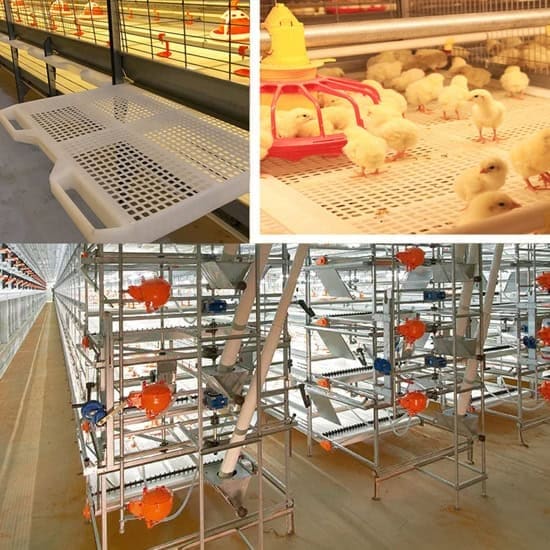
Multi-tier cage floors gradually tilt or drop to gently slide broilers onto the central polypropylene harvesting belt. This controlled movement prevents panic and pile-ups while maintaining low stress levels during the harvesting process.
Engineering Layout & Speed Standards for Automated Broiler Harvesting (2026 Data)
| Harvesting Component | Recommended Operating Speed (m/min) | Ideal Belt Tension / Lift Angle | Crate Transfer Guard Type | Targeted Injury Reduction Impact |
|---|---|---|---|---|
| Longitudinal Harvesting Belt | 3.0–5.0 | Medium tension | Soft rubber buffers | Reduces bruising by 65–75% |
| Vertical Soft-Rubber Elevator | 2.5–4.0 | 15° incline | Cushioned claws + side guards | Minimizes drop injury by 80% |
| Cross Conveyor Transfer | 3.5–5.5 | Speed matched to elevator | Flexible guide flaps | Prevents jamming and piling |
| Hydraulic Crate Loader | Sensor-controlled descent | Layer-by-layer filling | Anti-overcrowding sensors | Reduces wing damage by 70% |
Step 2: Synchronizing the Soft-Rubber Elevator and Cross-Conveyor Transits
The vertical elevator must operate at a speed matched to the horizontal harvesting belts. Using soft-rubber fingers or cushioned buckets with side guides ensures birds are transferred smoothly without blunt drops or trapping at the transition points.
Step 3: Programming the Hydraulic Crate-Loader and Weight-Sensor Loops
The central control panel uses real-time weight sensors to lower transport crates layer by layer. This prevents overcrowding and wing jamming while ensuring each crate is filled to optimal density without causing injury.
Conclusion
Well-calibrated automated broiler harvesting systems dramatically reduce injury and downgrade rates compared to manual methods. Proper speed synchronization, gentle transfer mechanisms, and sensor-controlled crate loading are key to maintaining high meat quality and maximizing processing plant returns.
Need a Free Turnkey Commercial Broiler Farm Layout Design & Automated Harvesting System Blueprint Quote?
Our engineering team provides complete harvesting system design, speed calibration, and turnkey integration for automated H-type broiler cage projects.
Frequently Asked Questions
1. What is the recommended belt speed for automated broiler harvesting?
The recommended operating speed for longitudinal harvesting belts is 3–5 m/min. This speed range minimizes stress while maintaining efficient harvesting throughput.
2. What incline angle should the elevator use during broiler harvesting?
A 15-degree incline on the soft-rubber elevator provides the best balance between gentle bird transfer and efficient vertical movement without causing injury.
3. How can automated harvesting keep broiler bruising rates below 1%?
By synchronizing belt and elevator speeds, using cushioned transfer points, and employing sensor-controlled crate loading, bruising and downgrade rates can be reliably kept below 1%.
Related Articles
- How to Choose the Right Auger and Motor for Automatic Broiler Feeding Lines (2026)
- Broiler Cage System Cost in 2026: Full Investment Breakdown for Commercial Farms
- Optimizing Broiler Cage Floor Mesh Design to Prevent Breast Blisters (2026)
By Caroline, Senior Poultry Equipment Specialist at Weifang Splendid Machinery Equipment Co., Ltd. (18 years global experience in automated poultry harvesting and post-harvest systems).
• Commercial Broiler Harvesting System Engineering Standards 2025-2026
• Automated Broiler Catching and Conveying Performance Data
• Field reports from high-capacity automated harvesting installations in cage houses