2026 Optimized Nest Boxes to Improve Egg Production and Collection Efficiency
Optimized nest boxes to improve egg production and collection efficiency have become a high-ROI upgrade for commercial layer farms in 2026. By focusing on hen comfort, quick egg removal, and reduced floor eggs, optimized nest box systems can increase overall egg output while significantly lowering labor and egg loss. This guide helps global dealers and layer farm terminals understand the key optimization factors that deliver measurable results.
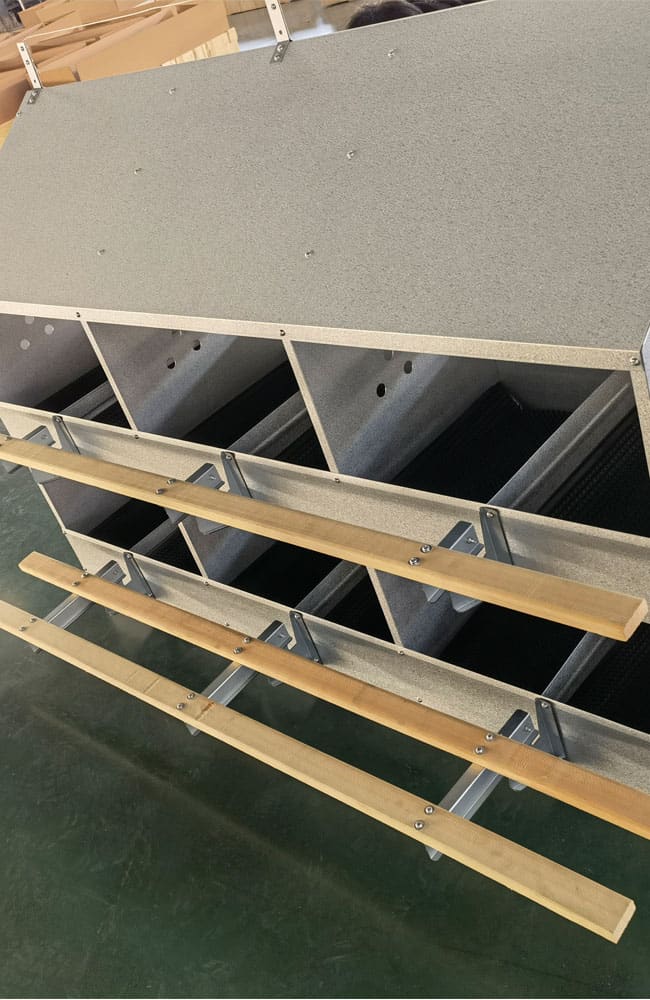
Why Nest Box Optimization Matters for Egg Production
Optimized nest boxes directly influence laying behavior and egg quality. When hens feel safe and comfortable, they lay more consistently inside the nest. Proper optimization reduces floor eggs, keeps eggs cleaner, and minimizes breakage during collection, leading to higher saleable egg yield and better farm profitability.
Key Optimization Factors for High-Performance Nest Boxes
Here are the most important elements that drive better egg production and collection efficiency:
| Optimization Factor | Benefit | Typical Improvement |
|---|---|---|
| Nest Size & Privacy | Encourages natural nesting behavior | +12-20% acceptance rate |
| Rollout Angle & Surface | Gentle egg rolling with minimal cracking | Reduces cracked eggs by 60-75% |
| Lighting Design | Attracts hens to the nest | +8-15% nest usage |
| Ventilation & Temperature Control | Keeps nest area cool and dry | Improves egg cleanliness |
| Easy Maintenance Design | Reduces labor for cleaning | Saves 40-60% collection time |
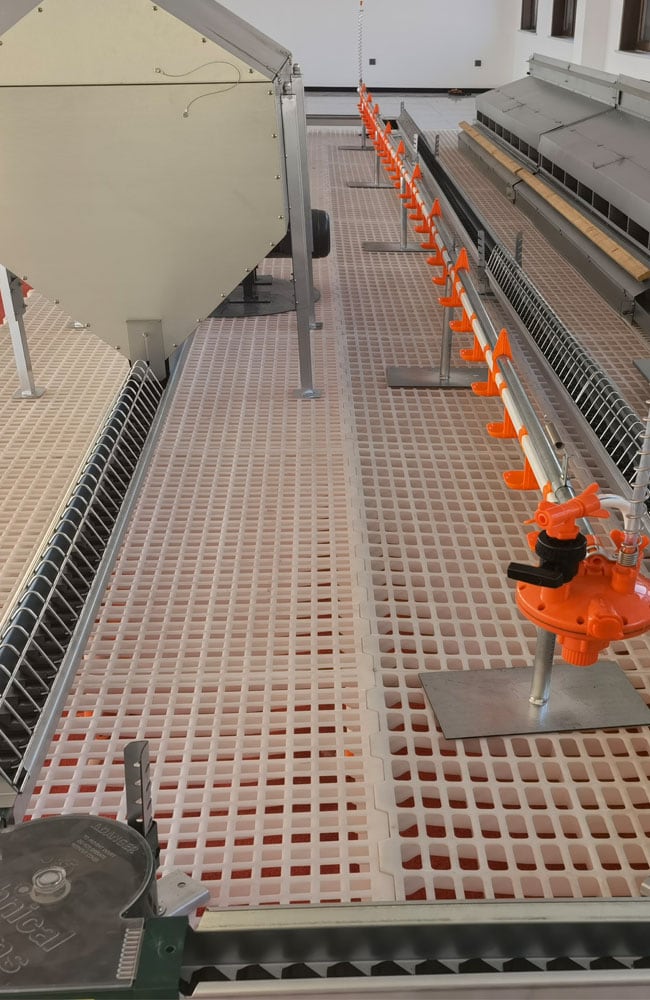
How Optimized Nest Boxes Improve Overall Egg Production
Well-optimized nest boxes reduce stress on hens, encourage consistent laying patterns, and minimize egg loss on the floor. Farms implementing full optimization in 2026 commonly see 5-12% higher total egg output and significantly better egg grading scores due to improved shell cleanliness.
Practical Tips for Optimizing Nest Boxes in 2026
Start with proper nest density (1 nest per 4-5 hens), use comfortable nest pads, install gentle lighting, and ensure smooth rollout surfaces. Regular maintenance and periodic training during the pullet stage further boost acceptance rates and long-term performance.
Real-World Results in 2026
A 180,000-layer farm in Indonesia upgraded to optimized nest boxes and achieved 96.8% nest acceptance rate, reducing floor eggs to 1.3% and increasing saleable egg yield by 7.2% compared to the previous cycle.
FAQ – Common Questions from International Dealers and Layer Farms
- What is the ideal nest box density for layers?
One nest per 4-5 hens is the most effective ratio for high acceptance and production. - How much can optimized nest boxes reduce floor eggs?
Well-designed systems typically reduce floor eggs from 8-12% down to 1-2%. - Does nest box material affect egg production?
Yes, comfortable and easy-to-clean materials encourage better laying behavior. - Can old nest boxes be optimized without full replacement?
Yes, adding rollout floors, better lighting, and improved pads can deliver significant improvements. - What role does lighting play in nest box optimization?
Gentle lighting inside or near the nest strongly attracts hens and improves usage rate. - Are automatic rollout nest boxes always better?
They usually provide the best combination of high acceptance and collection efficiency.
This article was written by the Weifang Splendid Machinery Equipment team. 2026 Nest Box and Automatic Feeding Line Integration.