2026 Nest Box and Automatic Feeding Line Integration: Maximizing Efficiency in Layer Farms
Nest box and automatic feeding line integration has become a key upgrade for modern layer operations in 2026. Combining precise egg collection with reliable feeding systems significantly reduces labor, minimizes floor eggs, and improves overall flock performance. This article compares chain feeding and pan feeding integration methods to help global dealers and layer farm terminals choose the most suitable solution for their houses.
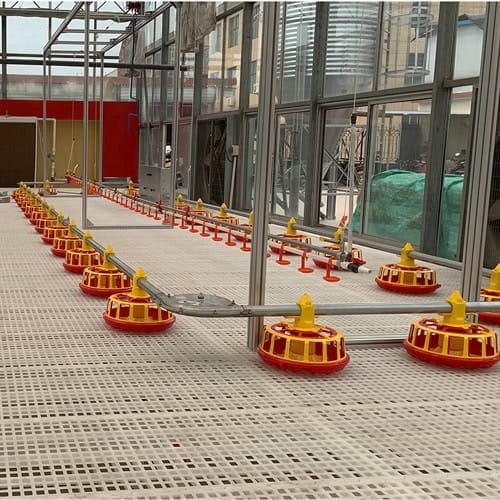
What Is Nest Box and Automatic Feeding Line Integration?
Nest box and automatic feeding line integration refers to the seamless connection between egg nest boxes and automated feeding systems in layer houses. It allows synchronized operation of feeding and egg collection, ensuring hens receive consistent nutrition while eggs are collected efficiently with minimal human intervention. In 2026, integrated systems support both chain feeding and pan feeding configurations.
Chain Feeding vs Pan Feeding Integration – Which Is Better?
Both chain and pan feeding can be integrated with nest boxes, but they serve different farm needs:
| Feature | Chain Feeding Integration | Pan Feeding Integration |
|---|---|---|
| Feed Distribution | Uniform along the entire line | Individual pan portions |
| Feed Waste | Very low | Low to moderate |
| Maintenance | Moderate | Easier per pan |
| Best For | Long houses, high uniformity | Flexible feeding programs |
| Cost Level | Medium | Medium to high |
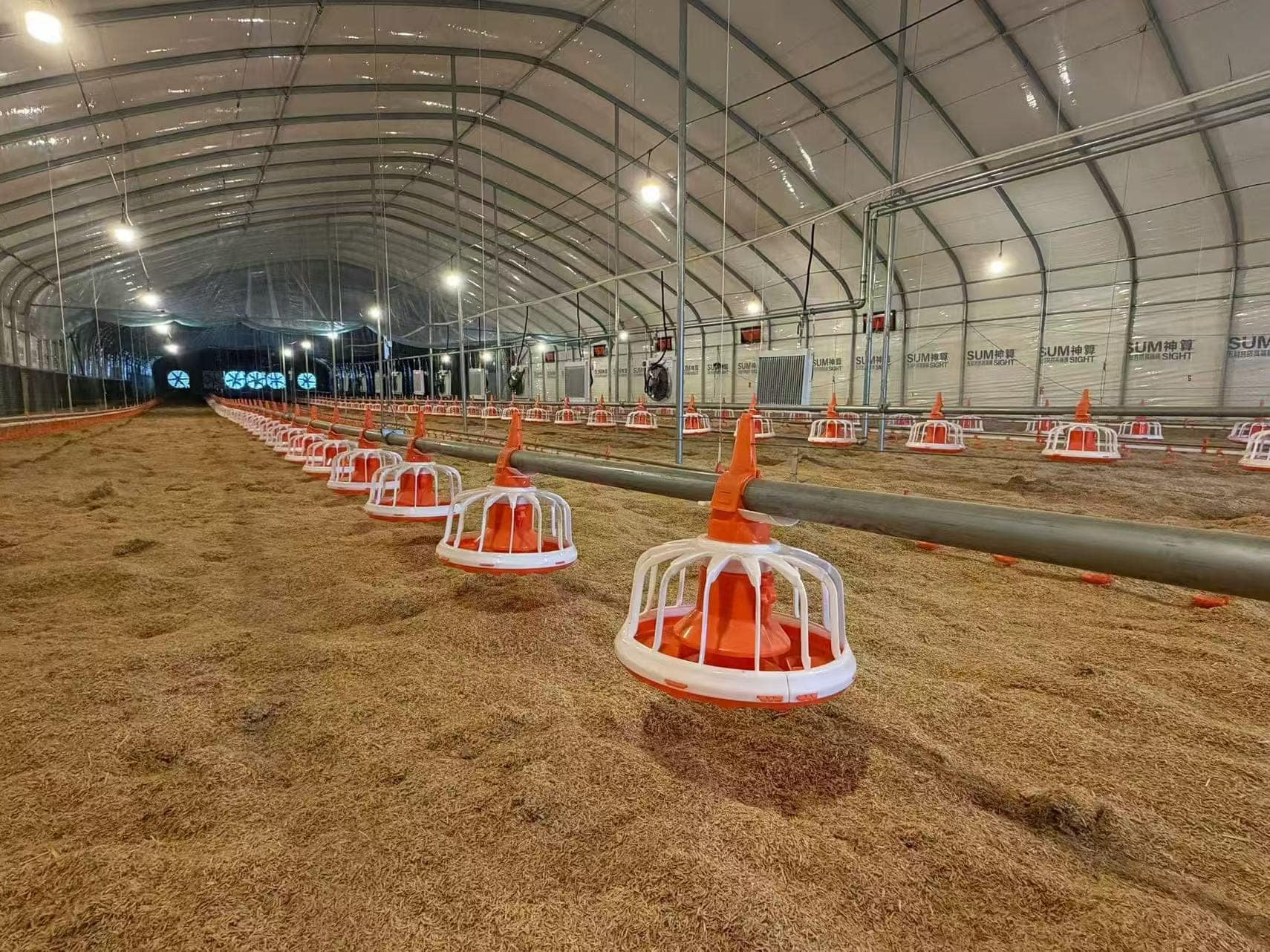
Key Benefits of Integrated Nest Box and Feeding Line Systems
Proper integration reduces floor eggs by 70-85%, improves feed conversion, and allows better flock management. Dealers report strong demand for integrated systems as farms seek to upgrade existing houses without full reconstruction.
How to Choose the Best Integration Method in 2026?
Choose chain feeding integration for long, uniform houses requiring minimal feed waste. Opt for pan feeding if you need flexible feeding schedules or plan to use different diets. Consider house length, bird density, and future expansion plans when making the decision.
Real-World Performance in 2026
A 90,000-layer farm in Malaysia using nest box with chain feeding integration reduced floor eggs from 8% to 1.2% within two cycles. Farms using pan feeding integration achieved better body weight uniformity in multi-age flocks.
FAQ – Common Questions from International Dealers and Layer Farms
- Can existing nest boxes be integrated with new feeding lines?
Yes, most modern nest boxes support retrofitting with both chain and pan feeding systems. - Which integration method has lower maintenance costs?
Chain feeding usually has lower long-term maintenance when properly installed. - Does integration improve egg quality?
Yes, faster and gentler collection significantly reduces cracked and dirty eggs. - Is one method clearly better than the other?
No. Chain feeding excels in uniformity while pan feeding offers more feeding flexibility. - What is the typical payback period for integration?
Most farms recover the investment within 12-18 months through reduced labor and better egg yield. - Are there welfare benefits to integrated systems?
Yes, consistent feed access and reduced competition improve overall bird welfare.
This article was written by the Weifang Splendid Machinery Equipment team. Nest Box Precision Egg Collection Optimization Framework.