2026 Broiler Floor System Health Management & Disease Prevention for 10,000–30,000 Birds
Effective health management and disease prevention are critical for achieving low mortality, optimal FCR, and strong ROI in a broiler floor system. For commercial farms raising 10,000–30,000 birds, consistent vaccination, biosecurity, environmental hygiene, and daily monitoring can significantly reduce disease risk and improve flock performance.
Quick Answer
In 2026, successful health management in a broiler floor system for 10,000–30,000 birds focuses on strict vaccination schedules, rigorous biosecurity, dry litter maintenance, and real-time environmental monitoring. This approach typically achieves mortality below 5%, target FCR 1.65–1.75, and payback within 12–18 months.
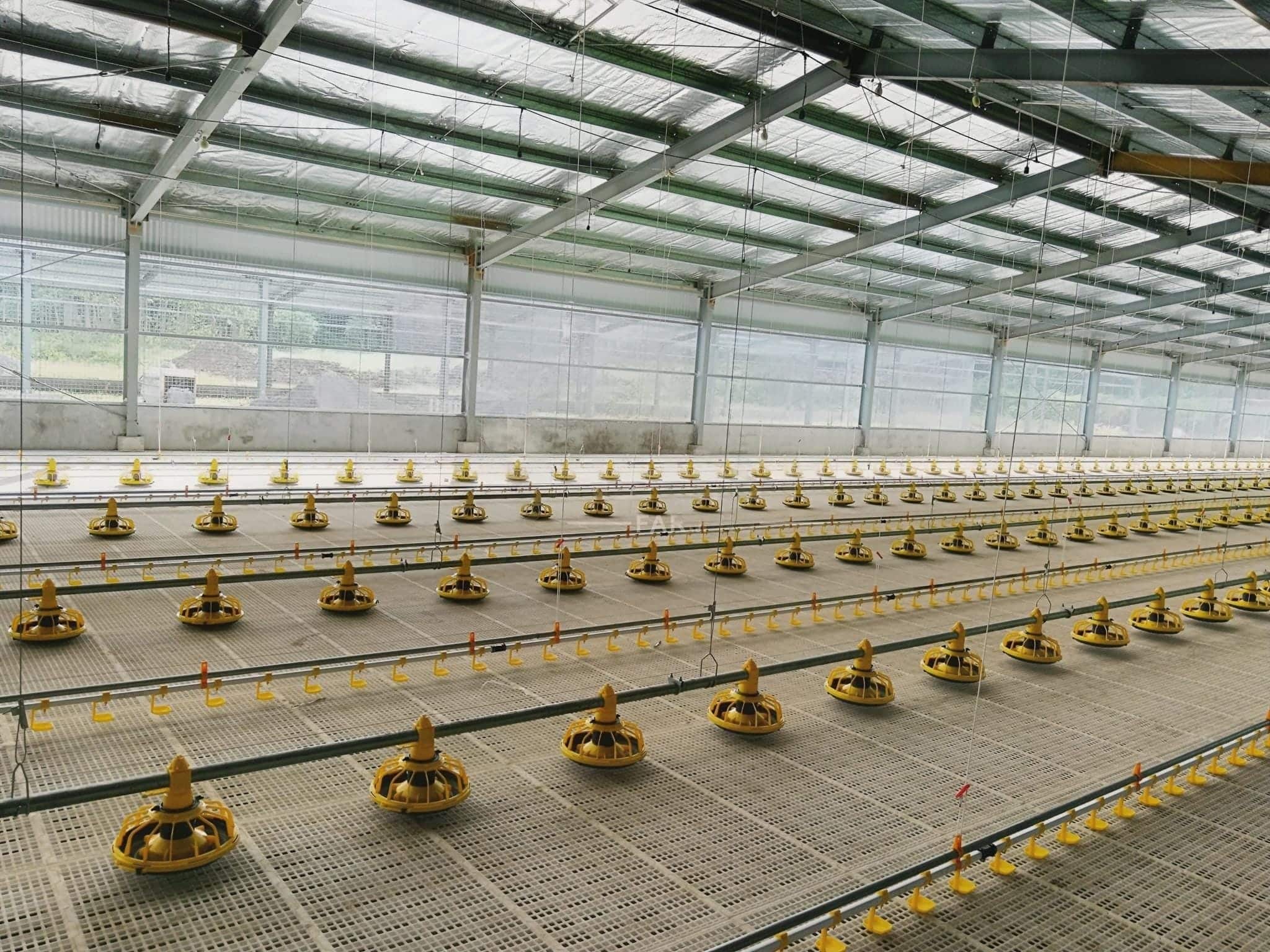
Daily Health Management Priorities
1. Vaccination Programs
Follow a standardized schedule including Newcastle Disease, IBD, Marek’s Disease and Coccidiosis vaccines. Adjust timing according to local disease prevalence for best protection in broiler floor systems.
2. Biosecurity Measures
Implement all-in-all-out system, footbaths, vehicle disinfection, restricted access, dedicated clothing per house, and staff health management & training.
3. Environmental Hygiene & Litter Management
Maintain litter depth at 10–15 cm and keep it dry. Run tunnel ventilation at proper minimum ventilation rates and rake litter 2–4 times daily to prevent caking, especially during hot summer or high humidity seasons.
4. Common Disease Monitoring
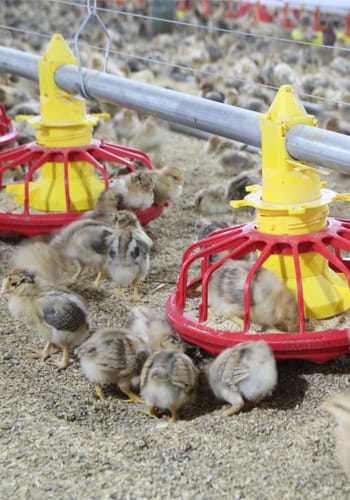
Daily check for respiratory signs, diarrhea, reduced feed intake, and unusual mortality. Use health logs or Farm Management System to track daily mortality, weight, and FCR for early detection.
Operational Parameters Table (10,000–30,000 Birds)
| Parameter | 10,000 Birds | 20,000–30,000 Birds |
|---|---|---|
| House Size | 80–100m × 12m | 100–120m × 15m |
| Stocking Density | 12–15 birds/m² | 13–16 birds/m² |
| Target FCR | 1.65–1.75 | 1.65–1.75 |
| Mortality Target | <0.15% daily | <0.12% daily |
| Litter Depth | 10–15 cm | 10–15 cm |
| Target Daily Gain at 35 days | 55–60 g/day | 55–60 g/day |
Common Diseases & Prevention Table
| Disease | Common Signs | Severity | Prevention | Early Action |
|---|---|---|---|---|
| Newcastle Disease | Respiratory distress, high mortality | High | Strict vaccination schedule | Immediate isolation + veterinary support |
| Infectious Bursal Disease (IBD) | Diarrhea, immunosuppression | High | IBD vaccination at day 7–10 + booster | Enhance biosecurity and litter hygiene |
| Coccidiosis | Bloody droppings, poor growth | Medium | Good litter management + coccidiostats | Improve ventilation and litter dryness |
| Respiratory Infections | Coughing, nasal discharge | Medium | Stable temperature & low ammonia | Adjust ventilation and consult vet |
Tips for Maximizing Flock Health
- Implement all-in-all-out production with thorough cleaning between flocks
- Use footbaths and vehicle disinfection consistently
- Monitor daily mortality and feed intake patterns
- Maintain optimal temperature and humidity, especially in hot/humid seasons
- Keep detailed health records for trend analysis
ROI Impact of Proper Health Management
Strong health management in a broiler floor system can reduce disease losses and save approximately $800–$1,500 per 10,000 birds while improving FCR and shortening payback period by 2–4 months.
Real Project Examples
- Nigeria – 15,000 birds – Enhanced biosecurity program → mortality dropped to 3.8%
- Philippines – 25,000 birds – Strict litter management → FCR improved to 1.68
- Egypt – 30,000 birds – Comprehensive vaccination + ventilation control → excellent ROI
Conclusion
Proactive health management and disease prevention are essential for maximizing performance and profitability in a 2026 broiler floor system.
Frequently Asked Questions
- How to quickly diagnose high mortality causes in broiler floor systems?
Check temperature, ventilation, litter condition, and water intake first. - What specific impacts does humidity control failure cause in broiler floor systems?
It leads to wet litter, footpad dermatitis, high ammonia, respiratory issues, and worsened FCR. - What is the recommended vaccination schedule for broiler floor systems?
ND + IBD at day 7–10, IBD booster at day 18–21, ND booster at day 28, plus Marek’s and Coccidiosis as needed. - What biosecurity measures are most effective for 10,000–30,000 bird farms?
All-in-all-out, footbaths, vehicle disinfection, restricted access, and staff health management & training. - How does good health management affect ROI in broiler floor systems?
It can reduce mortality by 2–4% and improve FCR, shortening payback by several months.
Need Professional Support for Your Broiler Floor System?
Our engineering team offers customized operational training, layout optimization, and ongoing technical consultation to ensure your commercial farm maintains maximum biosecurity and minimal mortality spikes.
Request Your Free Broiler Farm Performance Audit & Quote →
Related Articles
- 2026 Broiler Floor System Guide: Complete Equipment List & Layout
- Why Is My Broiler Litter Always Wet? (Main Causes & Fast Solutions)
- 2026 Broiler Floor System FCR Optimization & Performance Tips
- 2026 Broiler Floor System Investment & Cost Analysis
By Caroline, Senior Poultry Equipment Specialist at Weifang Splendid Machinery Equipment Co., Ltd. (18 years global experience in broiler systems).
• USDA Livestock & Poultry Outlook, Feb 2026
• Commercial Broiler Equipment Reports 2025-2026
• Field data from commercial broiler floor farms