2026 Poultry Drinking Water Systems: Water Quality & Bio-Security Mastery
In 2026, a precision drinking water system is one of the most important investments for commercial poultry farms. Proper water quality and biosecurity directly affect bird health, feed conversion, growth rates and overall flock performance. Modern nipple drinking lines with accurate pressure control and filtration deliver consistent hydration while minimizing waste and pathogen transmission.
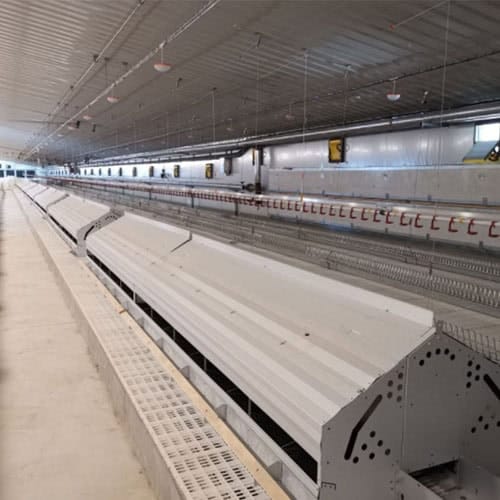
Why Drinking Water Quality Matters More Than Ever in 2026
Water accounts for 70% of a bird’s body weight and is the primary carrier of nutrients and medications. Poor water quality leads to higher disease risk, reduced feed intake and lower production. A well-designed drinking water system with proper filtration and pressure control can reduce water waste to under 2% and significantly lower pathogen load.
Basic vs Precision Drinking Water System: 2026 Comparison
| Factor | Basic System | Precision Mastery Framework | 2026 Advantage |
|---|---|---|---|
| Birds per Nipple | Variable | 8–12 birds/nipple | Precision |
| Water Waste | 15–20% | <2% | Precision |
| Pathogen Control | Higher risk | Significantly reduced | Precision |
| Ammonia Impact | Elevated | <20 ppm | Precision |
| Health & Performance | Variable | Consistent & improved | Precision |
Core Components of a High-Performance Drinking Water System
- Nipple drinking lines with pressure regulators and anti-leak design
- Water filtration and chlorination systems for pathogen control
- Automated monitoring for flow rate and water quality
- Easy-clean design for daily maintenance
5-Phase Mastery Implementation Roadmap
- Farm assessment and water quality baseline testing
- Drinking water line installation and pressure calibration
- Filtration and monitoring system integration
- Flock introduction and daily performance monitoring
- Ongoing optimization and bio-security review
Our Recommendation for Commercial Farms
For farms in Nigeria, Saudi Arabia, Philippines, Kenya and other hot-climate regions, investing in a precision drinking water system with nipple drinkers and proper filtration in 2026 is one of the smartest ways to improve bird health and reduce disease risk.
FAQ
Q: What is the recommended birds per nipple ratio?
A: 8–12 birds per nipple for optimal access and minimal waste.
Q: How does the system improve bio-security?
A: Precision control and filtration reduce pathogen transmission and maintain ammonia levels below 20 ppm.
Q: Can the system be integrated with existing equipment?
A: Yes — modern systems are designed for seamless integration with feeding and climate control.
By Caroline, Senior Poultry Equipment Specialist at Weifang Splendid Machinery Equipment Co., Ltd. (18 years global experience in broiler & layer systems, has helped 200+ farms in Nigeria, Saudi Arabia, Philippines and Kenya).
• USDA Livestock & Poultry Outlook, Feb 2026
• Commercial Poultry Water Quality Reports 2025-2026
• Field data from drinking water system installations worldwide
Also read: Broiler Floor Raising Systems | Fan and Cooling Pad Systems | Global Project Cases