The Complete Guide to Starting a Commercial Chicken Farm: Business Plan, Strategy, and Basics
Introduction & Industry Overview
Launching a commercial poultry operation requires a strategic approach that balances capital expenditure, biosecurity, and high-efficiency equipment integration. Whether you are planning a chicken farm business, starting a broiler chicken farm, or starting a chicken egg farm, mastering the fundamentals of sustainable poultry farming is critical for long-term profitability. Modern industrial farming relies heavily on data-driven management, robust infrastructure, and precise environmental control to optimize feed conversion ratios (FCR) and minimize mortality rates. This guide breaks down the essential steps, strategies, and industry insights needed to establish a scalable, high-yielding poultry enterprise from scratch.
Step 1: Market Research & Choosing Between Broiler and Layer Farming
Before drafting your business plan or purchasing land, you must define your primary production model. Market positioning dictates your capital allocation, housing design, and equipment choices.
- Broiler Chicken Farming: Focuses on meat production with a rapid turnaround cycle (typically 6 to 7 weeks per batch). It demands high-density ventilation systems and automated feeding lines to maximize growth rates.
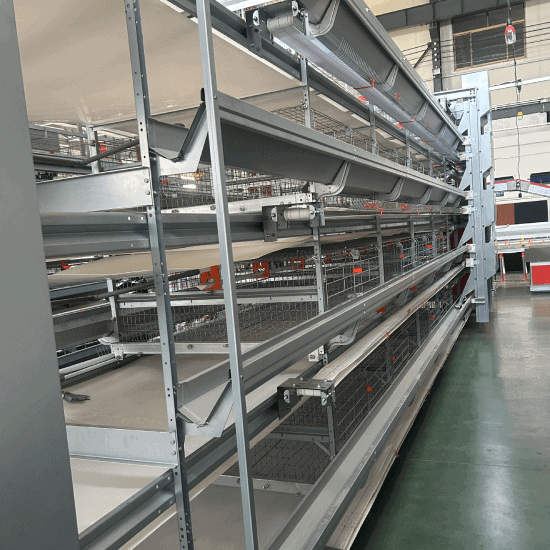
- Layer Poultry Farming: Focuses on commercial egg production with a productive lifecycle lasting 72 to 80 weeks. It requires specialized automated cage systems (such as H-type or A-type tiers) and egg collection conveyors.
- Target Market Analysis: Evaluate local demand, supply chain bottlenecks, and downstream distribution channels (e.g., slaughterhouses, wholesale markets, or direct-to-retail packaging).
Step 2: Crafting a Winning Poultry Farm Business Plan (Template & Key Metrics)
A comprehensive poultry farm business plan template serves as your financial roadmap to secure bank financing or attract private equity investors. A professional example of a poultry farm business plan must incorporate the following core components:
| Plan Section | Key Focus Areas & Data Points |
|---|---|
| Executive Summary | Mission statement, production scale (e.g., 50,000-bird capacity house), and 5-year growth projections. |
| Operational Plan | Site location, biosecurity zoning, water/power supply, and waste management infrastructure. |
| Financial Projections | Capital expenditure (CapEx) for civil construction and equipment; operational expenditure (OpEx) for feed, chicks, and labor. |
| Risk Management | Disease outbreak prevention, market price volatility buffers, and backup generator redundancy. |
Pro Tip for Beginners: Utilize a structured layer poultry farm business plan framework if you are targeting long-term cash flow stability through table egg distribution.
Step 3: Estimating the Cost of Starting a Chicken Farm & Return on Investment
Understanding the cost of starting a chicken farm prevents undercapitalization—the leading cause of startup failure in the agricultural sector.
- Fixed Capital Investment: Land acquisition, grading, insulated steel-structure chicken houses, climate control systems (exhaust fans, cooling pads), and automated feeding/drinking lines.
- Working Capital: Day-old chicks, high-grade compounded feed (which accounts for 60-70% of operational costs), veterinary vaccines, and utilities.
- Revenue Potential: Revenue is directly tied to stocking density and flock performance. Modern automated housing allows a single operator to manage tens of thousands of birds, significantly driving down labor costs per unit of production.
Step 4: Essential Chicken Coop Setup and Sustainable Management
Successful chicken coop setup requires adherence to strict biosecurity and environmental engineering standards.
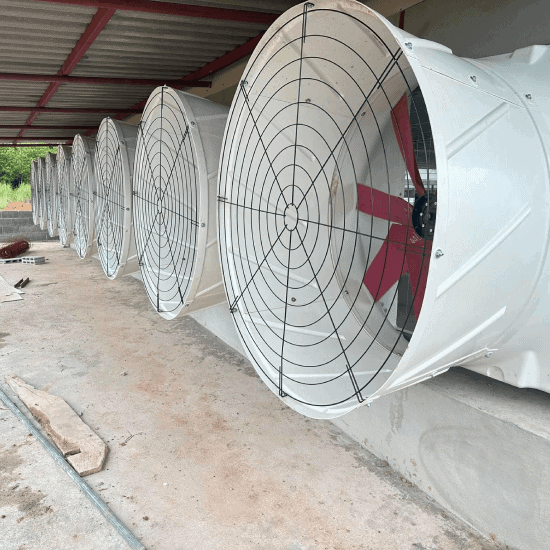
- Ventilation & Climate Control: Negative-pressure longitudinal ventilation combined with cooling pads ensures optimal thermal comfort, preventing heat stress in tropical or sub-tropical climates.
- Biosecurity Barriers: Implement strict footbaths, vehicle disinfection arches, and all-in-all-out batch management to safeguard flock health.
- Waste Management: Integrate automated manure removal belts and drying systems to maintain low ammonia levels inside the house while producing high-value organic fertilizer byproducts.
Frequently Asked Questions (FAQ)
1. What are the primary factors to consider when starting a poultry farm?
Key factors include site selection (away from residential zones with good road access), reliable access to clean water and stable electricity, strict biosecurity zoning, regulatory compliance, and choosing between automated cage systems or floor raising based on your target market.
2. How much capital is required to start a commercial chicken farm?
The startup cost varies significantly based on scale, location, and level of automation. It encompasses civil construction for insulated steel-structure sheds, automated feeding, drinking, ventilation equipment, and working capital for the first two production cycles.
3. Which is more profitable: broiler or layer farming?
Both models offer strong returns but serve different market dynamics. Broiler farming offers faster cash turnover (cycles of 45-50 days), whereas layer farming provides steady, predictable daily cash flow from commercial egg production over a 70+ week cycle.
4. How can I ensure sustainable poultry farming practices?
Sustainability is achieved by optimizing feed conversion ratios (FCR) to reduce grain waste, installing energy-efficient LED lighting and variable-speed fan motors, implementing efficient manure management systems, and maintaining rigorous biosecurity to minimize antibiotic reliance.
Ready to Build a High-Efficiency Commercial Poultry Farm?
Get customized turnkey solutions, automated equipment layouts (H-type cages, feeding, and ventilation lines), and a precise budget estimation tailored to your project scale.
Request a Custom Engineering Quote