High-Pressure Misting Systems for Poultry Biosecurity (2026)
In modern multi-tier cage houses, automated high-pressure misting systems are essential for effective disinfection, dust suppression, and humidity control while maintaining strict biosecurity standards.
Quick Answer
Use 70 Bar (1000 PSI) commercial ceramic plunger pumps with 0.15–0.2 mm anti-drip stainless steel nozzles to generate 10–20 micron dry mist. This provides superior air sanitization without wetting cages or manure belts.
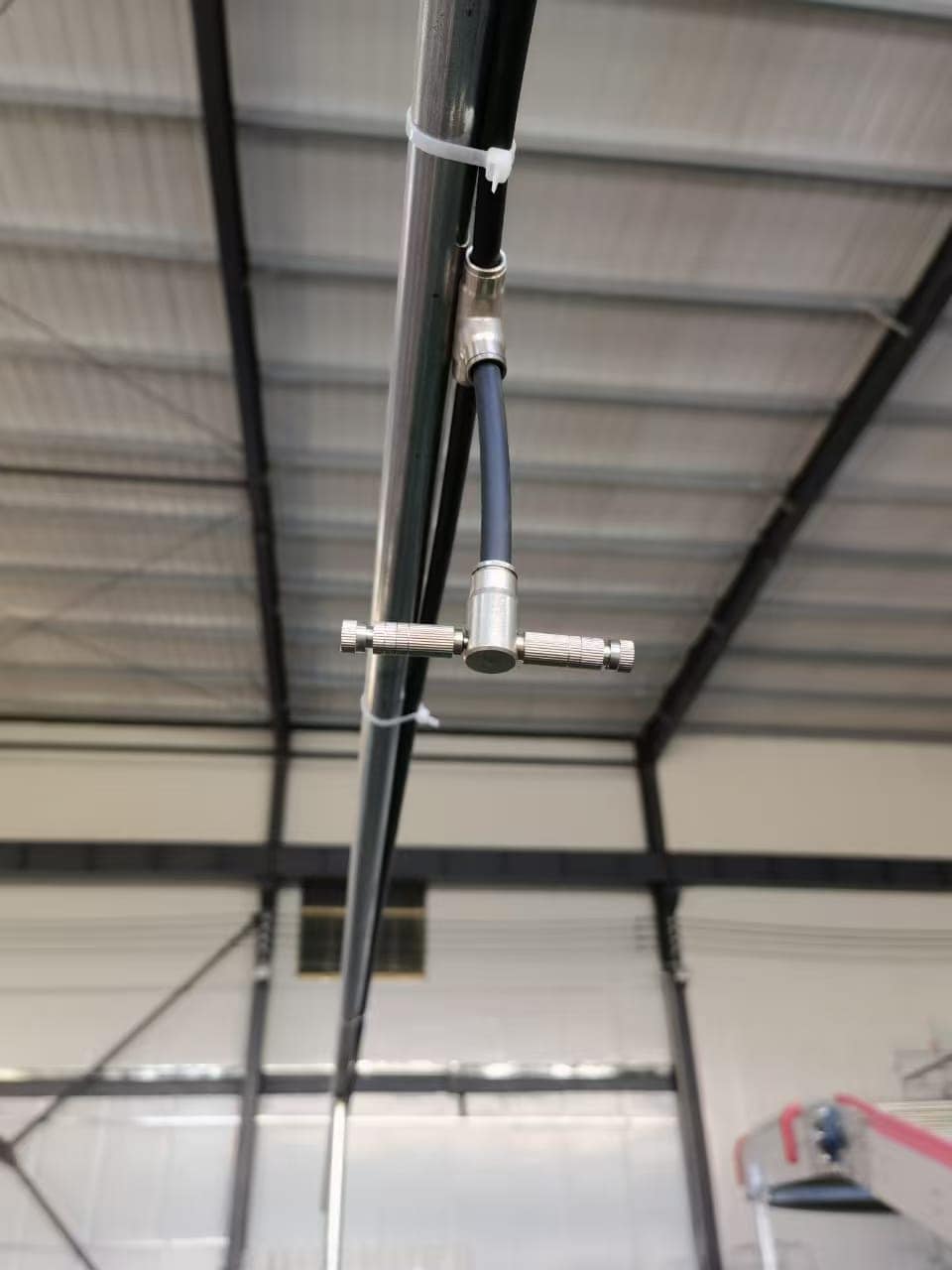
The Biosecurity Bottleneck: Why Low-Pressure Systems Fail in Cage Houses
Low-pressure misters produce large droplets that fall quickly, wetting birds and manure belts, leading to high ammonia, respiratory disease, and increased medication costs.
Step 1: Sizing Commercial Ceramic Plunger Pumps
Calculate total flow based on nozzle count and house length. For a 100m house with 200+ nozzles, select a 70 Bar pump with sufficient kW rating to maintain stable pressure during continuous operation.
Engineering Specifications for Industrial Commercial Poultry Misting Systems (2026 Data)
| House Capacity & Ventilation | Required Pump Operating Pressure (Bar) | Recommended Nozzle Aperture (mm) | Ideal Droplet Micron Size | Motor Power Output (kW) |
|---|---|---|---|---|
| 10,000–20,000 birds | 60–70 | 0.15–0.2 | 10–20 | 1.5–2.2 |
| 20,000–40,000 birds | 70–80 | 0.15–0.2 | 10–15 | 2.2–3.0 |
| 40,000+ birds | 70–90 | 0.2 | 15–20 | 3.0–4.0 |
Step 2: Strategic Nozzle Layout and Anti-Drip Line Engineering
Install high-pressure lines above cage aisles with overlapping mist zones. Use spring-loaded anti-drip check valves in each nozzle to eliminate floor weeping when the system stops.
Step 3: Coordinating Automated Climate Integration and Dosing Relays
Connect the misting pump to the main environmental controller to trigger automatically on high temperature or low humidity. Sync with proportional medicator pumps for precise disinfectant dosing.
Frequently Asked Questions
1. What pressure is recommended for poultry misting systems?
70 Bar (1000 PSI) is the industry standard for effective 10–20 micron dry mist without wetting cages.
2. What droplet size is ideal for biosecurity disinfection?
10–20 micron dry mist provides the best air penetration and pathogen control.
3. How do I prevent floor wetting with misting systems?
Use anti-drip nozzles and maintain correct pressure and nozzle placement above aisles.
4. Can misting systems be integrated with existing climate controllers?
Yes, modern systems integrate seamlessly with environmental controllers for automatic activation.
Conclusion
Well-configured high-pressure misting systems significantly enhance biosecurity, reduce dust and pathogens, and improve overall flock performance in commercial poultry houses.
Need a Free Turnkey Poultry House Biosecurity Layout, Misting System Design & Wholesale Factory Quote?
Our engineering team provides complete high-pressure misting and disinfection system design for commercial poultry farms worldwide.
Related Articles
- Replacing Old Poultry Fans: How Inverter Ventilation Fans Cut 30% Electricity Costs
- Heavy-Duty Exhaust Fans for Broiler Houses: Drop Hammer vs. Butterfly Cone Layouts (2026)
By Caroline, Senior Poultry Equipment Specialist at Weifang Splendid Machinery Equipment Co., Ltd. (18 years global experience in poultry biosecurity systems).
• Commercial Poultry Biosecurity and Misting System Engineering Standards 2025-2026
• Field performance data from high-pressure misting installations
• Poultry Farm Disinfection Technology Reports