How to Train Pullets to Use Automatic Nest Boxes and Prevent Floor Eggs
Floor eggs remain one of the highest-cost problems in commercial layer operations. Even a 2% floor egg rate can add significant labor, contamination, and downgrade losses. Under 2026 commercial poultry management protocols, achieving under 1% floor eggs is the new performance benchmark for profitable layer houses.
Quick Answer
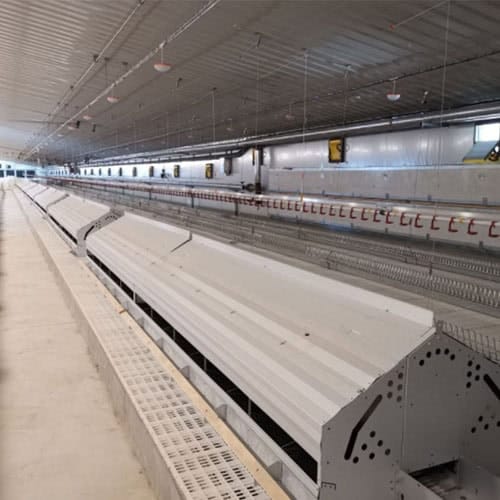
Under 2026 commercial poultry management protocols, the key to keeping floor eggs below 1% is early training of pullets using properly calibrated automatic nest boxes, anti-roost electric wires, and strategic lighting. Correct nest placement and perch design encourage 98%+ nest usage from the onset of lay.
Why Floor Eggs Are a Major Financial Loss for Layer Farms
Floor eggs require manual collection, increase contamination risk, and are often downgraded or discarded. In a 30,000-bird layer house, a 3% floor egg rate can cost over $25,000 per year in lost revenue and extra labor.
Hardware Features That Encourage Nest Box Acceptance
- Gas-sprung perches that gently guide pullets inside
- Anti-roost electric wires on top of nest boxes
- Automatic expulsion shutters that close at night
- Dark, quiet interior with soft nesting material
- Optimal nest box height and slat inclination
Nest Box Allocation & Placement Guidelines (2026)
| House Size | Birds per Nest Hole | Optimal Slats Inclination | Anti-Roost Wire Voltage |
|---|---|---|---|
| 10,000 birds | 5–6 | 8–10° | 3–4 kV |
| 20,000 birds | 6–7 | 8–10° | 3–4 kV |
| 30,000 birds | 7–8 | 8–10° | 3–4 kV |

Management Steps During the Pre-Lay Period
- Start nest training 2–3 weeks before first egg
- Close nests at night to prevent roosting
- Block dark corners and under-equipment areas
- Use proper lighting ramp-up schedule
- Monitor and manually place early floor eggs
Conclusion
Reducing floor eggs below 1% requires the right automatic nest box hardware combined with disciplined pre-lay training and daily management. When correctly implemented, modern nest systems deliver consistent nest usage above 98% and significantly improve overall farm profitability.
Need a Free Nest Box & Breeder Layout Audit?
Our engineering team provides complete nest box layout audits, pullet training protocols, and system optimization for commercial layer operations.
Request Your Free Nest Box & Breeder Layout Audit →
Related Articles
- How Many Hens Per Nest Box in Commercial Layer Farms (2026 Recommended Ratio Guide)
- Automatic Nest Box Price Guide for Commercial Layer Farms (2026)
- How to Install an Automatic Nest Box System in a Layer House (2026 Step-by-Step Guide)
- Automatic Nest Box vs Manual Nest Box: Which Is Better for Commercial Layer Farms?
By Caroline, Senior Poultry Equipment Specialist at Weifang Splendid Machinery Equipment Co., Ltd. (18 years global experience in broiler systems).
• Commercial Layer Management Guides 2025-2026
• Field data from automatic nest integration projects