Automatic Nest Box vs Manual Nest Box: Which Is Better for Commercial Layer Farms?
In the automatic nest box vs manual nest box debate for commercial layer farms, automatic systems are clearly the smarter choice in 2026. They deliver dramatically lower floor eggs, higher egg cleanliness, reduced breakage, and much lower labor costs, making them the better long-term investment for most commercial operations.
Quick Answer: For commercial layer farms, the automatic nest box system is better than manual nest box in nearly every aspect. It achieves 95–98% collection rate, cuts labor by 60%+, reduces floor eggs to 1–2%, and typically pays back in 8–14 months.
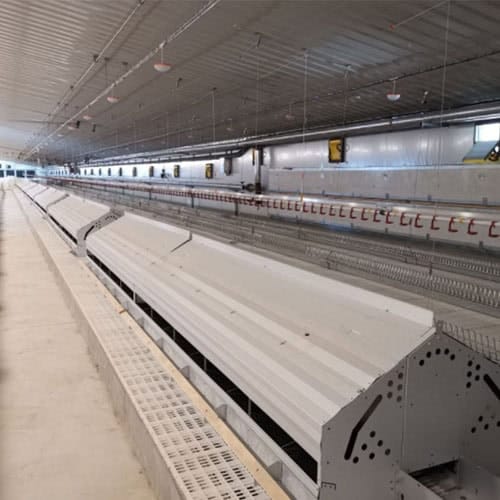
Automatic Nest Box vs Manual Nest Box: Side-by-Side Comparison
| Aspect | Automatic Nest Box | Manual Nest Box |
|---|---|---|
| Labor | Very low (60%+ savings) | High daily collection |
| Egg Cleanliness | Excellent (95–98% clean) | Moderate (more dirty eggs) |
| Breakage Rate | <1% | 3–8% |
| Floor Eggs | 1–2% | 8–15% |
| Initial Cost | Higher | Lower |
| Long-term ROI | Fast (8–14 months) | Slower |
Why Automatic Nest Boxes Produce Cleaner Eggs
Automatic systems use a gentle 7–9° nest slope so eggs roll away immediately after being laid. This keeps them off the floor and away from manure, resulting in much cleaner eggs compared to manual collection.
How Automatic Systems Reduce Floor Eggs
With proper design (recommended nest depth of 45cm and belt speed of 3–5 m/min), hens feel secure and prefer the nest box. This dramatically lowers floor eggs from 8–15% in manual systems to just 1–2% in automatic ones.
Why Large Farms Prefer Automatic Nest Boxes
Large-scale operations need consistency and low labor. Automatic nest box systems deliver exactly that — reliable collection, minimal human intervention, and better overall flock performance.

Labor and ROI Comparison
Automatic nest box systems reduce daily egg collection labor by 60–75%. Most commercial farms recover the higher initial investment within 8–14 months through labor savings and improved egg quality.
Automatic Nest Box Cost Breakdown
The total cost of an automatic nest box system includes several components:
- Nest material – high-quality plastic or metal frames
- Conveyor – egg collection belts and motors
- Installation – labor and integration with existing cages
- Maintenance – annual belt cleaning and minor repairs
- Lifespan – 8–12 years with proper care
Which Nest Box System Fits Your Farm Size?
| Farm Size | Recommended System |
|---|---|
| <5,000 hens | Manual |
| 5k–30k | Semi-auto |
| 30k+ | Automatic |
When Manual Nest Box May Still Be a Better Choice
- Very small farms under 2,000 hens
- Limited electricity availability
- Very low labor cost regions
- Temporary starter houses
Common Problems with Automatic Nest Box Systems
While automatic systems are highly effective, they do have some common maintenance challenges:
- Belt misalignment (needs regular checking and adjustment)
- Dust accumulation on belts and sensors
- Improper light management inside the nest (can reduce hen acceptance)
Real Commercial Farm Example
An 80,000-layer farm in Nigeria upgraded from manual to automatic nest box system. Floor eggs dropped from 14% to 1.5%, daily collection labor was reduced by 70%, and egg quality improved dramatically. The system paid for itself in 10 months.
FAQ – Buying Decision Questions
Q: How much labor can automatic nest box save?
A: Usually 60–75% reduction in daily egg collection labor.
Q: What is the ROI period?
A: Most farms recover the investment in 8–14 months.
Q: Does automatic nest box increase egg breakage?
A: No — modern systems actually reduce breakage to under 1%.
Q: Which system is easier to clean?
A: Automatic nest box systems are easier to clean because eggs are collected automatically and there is less manure accumulation.
Q: Can automatic systems work without conveyors?
A: Yes — some models use gravity roll-out without full conveyor belts, though full automatic systems with conveyors perform best in large farms.
Still Deciding Between Automatic Nest Box vs Manual Nest Box?
Our engineers can design the perfect nest box for chickens tailored to your farm size, cage type, and climate.
Get a Free Nest Box System Design & Quote →
Related Guides for New Layer Farms
- How Many Hens Per Nest Box in Commercial Layer Farms (2026 Recommended Ratio Guide)
- Complete Nest Box Guide for Modern Layer Farms (2026)
- How to Install an Automatic Nest Box System in a Layer House (2026 Step-by-Step Guide)
- Automatic Nest Box Price Guide for Commercial Layer Farms (2026)
By Caroline, Senior Poultry Equipment Specialist at Weifang Splendid Machinery Equipment Co., Ltd. (18 years global experience in broiler & layer systems, has helped 200+ farms in Nigeria, Saudi Arabia, Philippines and Kenya).
• USDA Livestock & Poultry Outlook, Feb 2026
• Commercial Layer Housing Reports 2025-2026
• Field data from automatic nest box installations worldwide
Also read: Nest Box Systems | Global Project Cases