Fan and Wet Pad Cooling Systems Core Parameters Explained: Easy-to-Understand 2026 Purchasing Decision Guide
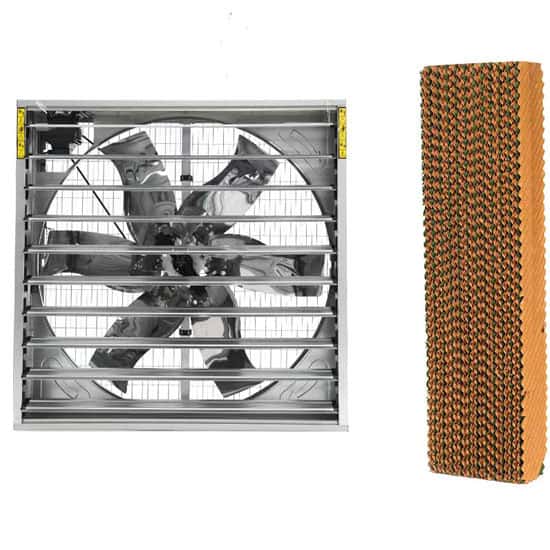
Fan and wet pad cooling systems are critical for poultry houses in hot climates. Understanding their core parameters helps you choose the right system that delivers effective cooling while controlling costs and maintenance. This guide provides a clear parameter breakdown to support your 2026 purchasing decision.

Core Parameters You Must Know Before Buying
Here is a clear comparison table of the most important parameters for fan and wet pad cooling systems in 2026:
| Parameter | Recommended Range | Why It Matters |
|---|---|---|
| Fan Airflow Capacity | 25,000–45,000 m³/h per fan | Determines cooling speed and house coverage |
| Wet Pad Thickness | 100–150 mm | Thicker pads provide better cooling but need stronger fans |
| Negative Pressure | 0.15–0.25 inches water column | Optimal range for maximum airflow without stressing birds |
| Fan Power Consumption | 0.8–1.5 kW per fan | Lower consumption saves significantly on electricity bills |
| Pad Efficiency | ≥85% cooling efficiency | Higher efficiency means better temperature drop |
How to Use This Parameter Table for Purchasing Decisions
Match your house size, local climate, and electricity cost to the table above. For very hot and dry areas, prioritize thicker pads and higher airflow fans. For budget-conscious farms, focus on energy-efficient models with proven durability.
Real Farm Application Insights
In 2026 commercial projects, farms using optimal parameters (150mm pads + correct negative pressure) achieved 8–12°C temperature drop and improved bird performance by 12–18% during peak summer.
FAQ – Common Questions from Dealers and Poultry Farms
- What pad thickness is best for hot climates?
150mm pads offer the best cooling efficiency in most hot regions. - How important is negative pressure?
It is critical — the right range ensures maximum airflow without stressing birds. - Can I use these systems in humid areas?
Yes, but you may need to combine with additional tunnel fans for best results. - What is the typical lifespan of quality fans and pads?
Fans last 8–12 years; pads usually need replacement every 3–5 years. - Which parameter has the biggest impact on electricity cost?
Fan power consumption and variable speed control have the greatest influence.
This article was written by the Weifang Splendid Machinery Equipment team. For more insights on poultry farming equipment, please read Poultry Farming Equipment for Sale: Your 2026 Guide to Efficient Profits.