Broiler Floor Raising Nipple & Pan Feeding Systems - Complete Guide
Broiler floor raising systems with nipple drinking and pan feeding have become the preferred choice for efficient, high-density meat chicken production. This one-stop operation guide takes you from beginner setup to expert-level management, helping you achieve better feed conversion, drier litter, and higher profitability in 2026.
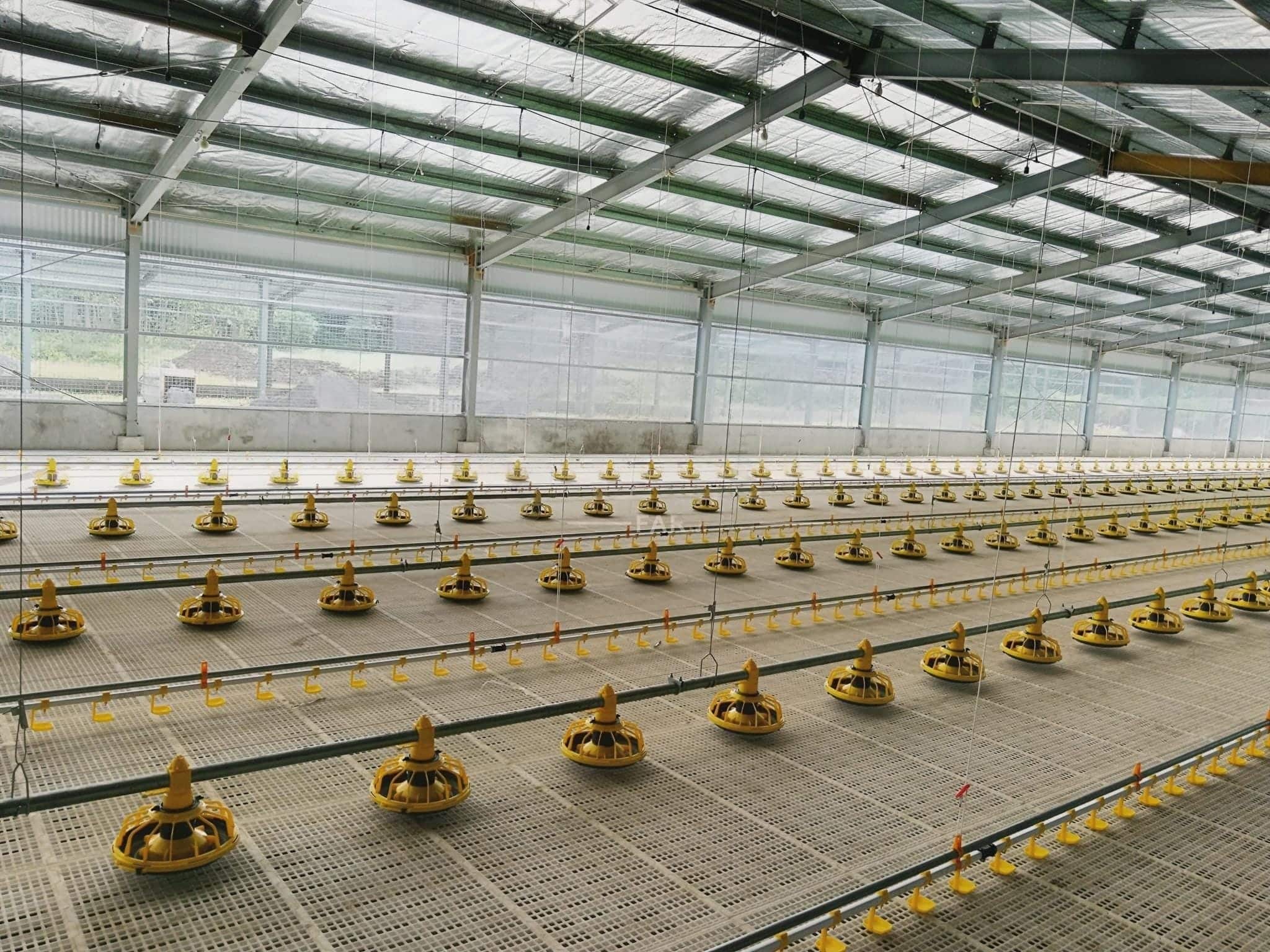
Beginner Setup: How to Install the System Correctly
Start by planning the layout: place nipple lines at chick height (adjustable as birds grow) and pan feeders evenly spaced for uniform access. Install water pressure regulators to ensure 0.2–0.3 bar for nipples. For pan feeders, set the correct height so chicks can easily reach the feed without spilling.
Daily Operation: Best Practices for Optimal Performance
Check nipple drinkers twice daily for leaks or blockages. Keep pan feeders at the correct fill level to minimize waste. Adjust feed distribution speed according to bird age and ensure water lines are flushed regularly to maintain water quality. Consistent routines lead to better uniformity and lower mortality.
Intermediate to Advanced Management Tips
Monitor feed conversion ratio weekly and adjust pan feeder height as birds grow. Use supplemental lighting near drinking lines during the first 7 days to encourage early intake. In hot weather, increase water flow and ensure good ventilation to keep litter dry. Expert operators also implement automated feed level sensors for even better efficiency.

Maintenance Checklist for Long-Term Reliability
Daily: Check for leaks and clean any blocked nipples. Weekly: Inspect chain or auger feed delivery and adjust pan heights. Monthly: Flush entire water lines and lubricate moving parts. Quarterly: Deep clean pans and replace worn nipples or seals. Proper maintenance can extend system life by 3–5 years.
Troubleshooting Common Issues
High water wastage usually indicates incorrect pressure or worn nipples. Uneven feed distribution is often caused by low auger speed or blocked lines. Wet litter is typically due to leaks or poor ventilation — address the root cause quickly to prevent health problems.
FAQ – Common Questions from Dealers and Broiler Farmers
- How much can pan feeding reduce feed wastage?
Typically 6–10% compared to traditional tray or hand feeding. - At what age should nipple height be adjusted?
Every 3–4 days during the first 3 weeks, then weekly as birds grow. - Is this system suitable for all broiler breeds?
Yes, modern nipple and pan systems work well with both fast-growing and slower-growing breeds. - How often should the entire system be deep cleaned?
Between flocks, with a full disinfection recommended. - Can the system be scaled for very large houses?
Yes, it is highly scalable and commonly used in houses exceeding 50,000 birds.
This article was written by the Weifang Splendid Machinery Equipment team. For more insights on poultry farming equipment, please read Poultry Farming Equipment for Sale: Your 2026 Guide to Efficient Profits.