Automatic Nest Boxes in Layer Floor Systems: Why They Work Better Than Traditional Nesting Methods in 2026?
Automatic nest boxes integrated into layer floor raising systems solve one of the biggest challenges in floor production: high percentages of floor eggs. By providing a comfortable, secure, and automated laying environment, they encourage hens to lay inside the nest, dramatically improving egg cleanliness and collection efficiency compared to traditional flat or manual nesting methods.
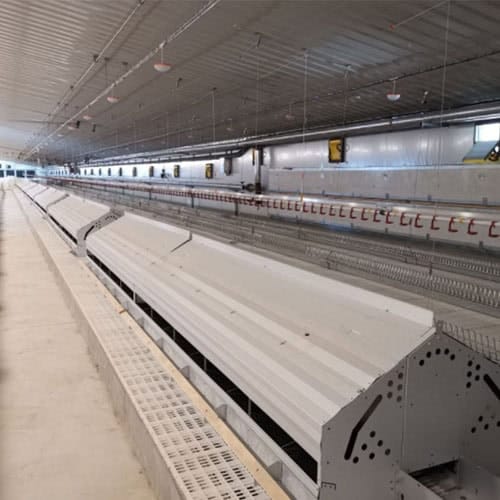
The Underlying Principle Behind Automatic Nest Boxes
The core principle is behavioral science combined with gentle mechanical design. Hens naturally seek dark, enclosed, and comfortable spaces to lay eggs. Automatic nest boxes replicate this instinct with soft nesting pads, optimal lighting, and a sloped floor that rolls eggs away immediately after laying. This reduces the hen’s time on the nest and prevents egg soiling or breakage.
Why Automatic Nest Boxes Outperform Traditional Methods
Traditional flat nests or manual community boxes often result in 10-20% floor eggs because hens compete for space or feel insecure. Automatic systems reduce this to under 3% in well-managed flocks by offering privacy, consistent comfort, and instant egg removal. They also keep eggs cleaner and reduce labor for collection.
Key Advantages in Layer Floor Systems
In floor raising setups, automatic nest boxes integrate seamlessly with chain feeding and nipple drinking lines. They maintain dry litter around the nest area, lower bacterial load, and support higher hen acceptance rates (often 92-97%). This leads to better egg quality and higher overall farm profitability.
Real Farm Results in 2026
A 90,000-layer floor farm in Southeast Asia installed automatic nest boxes and reduced floor eggs from 14% to 2.7% within two cycles. Egg cleanliness improved significantly, and daily collection labor decreased by 55%. Farmers reported higher hen acceptance and fewer dirty or cracked eggs.
FAQ – Common Questions from Dealers and Layer Farms
- How much can automatic nest boxes reduce floor eggs?
Typically 80-95% reduction when properly designed and managed. - Are they difficult to integrate with floor systems?
No, modern designs integrate easily with existing chain feeding and drinking lines. - What is the most important factor for high acceptance?
Cell size, lighting, and nesting material quality are critical for hens to accept the boxes. - Do they work with different layer breeds?
Yes, adjustable models perform well with both standard and high-production breeds. - What maintenance is mainly required?
Regular cleaning of nesting pads and inspection of the egg rolling mechanism.
This article was written by the Weifang Splendid Machinery Equipment team. For more insights on poultry farming equipment, please read Poultry Farming Equipment for Sale: Your 2026 Guide to Efficient Profits.