2026 A-Type Battery Cages Selection Guide: Avoid 5 Common Mistakes
A-Type battery cages remain one of the most popular and cost-effective choices for commercial layer farms in 2026. They offer good stocking density, simple structure, and significantly lower initial investment compared to H-Type systems — making them ideal for medium-sized farms and budget-conscious projects.
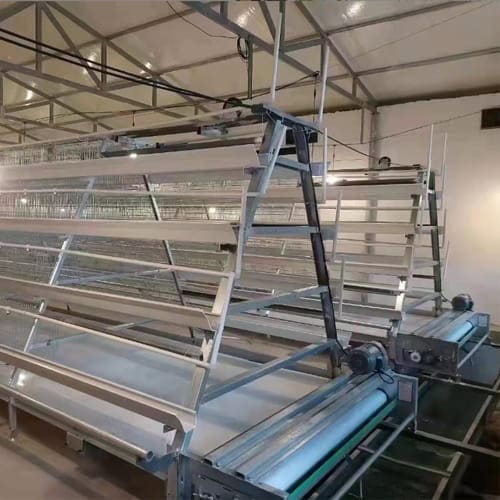
What Makes A-Type Battery Cages a Smart Choice in 2026?
A-Type cages use a classic A-shaped tier structure (usually 3–4 tiers). They provide excellent visibility for daily management, straightforward maintenance, and reliable egg collection. In 2026, upgraded hot-dip galvanization and improved manure removal systems have made them more durable and export-ready for Asia, Africa, and the Middle East.
5 Common Mistakes to Avoid When Buying A-Type Cages
- Choosing thin galvanization – rusts within 3–4 years in humid climates
- Ignoring ventilation design – leads to poor airflow and higher mortality in hot regions
- Wrong tier height or cage floor slope – causes egg breakage and floor eggs
- Underestimating automation needs – limits future upgrades
- Focusing only on the lowest price – results in higher long-term maintenance and replacement costs
How to Choose the Right A-Type Battery Cage System in 2026
Follow this 4-step checklist:
- Calculate your required stocking density and future expansion plans
- Prioritize hot-dip galvanization (minimum 80g/m² zinc coating)
- Check egg collection belt quality and feeding system compatibility
- Verify supplier after-sales support and spare parts availability
A-Type vs H-Type Battery Cages – Quick Comparison 2026
| Aspect | A-Type Cages | H-Type Cages |
|---|---|---|
| Stocking Density | High | Very High |
| Initial Cost | Lower | Higher (+30-40%) |
| Automation Level | Good | Excellent |
| Maintenance Ease | Simple | Technical |
| Best For | Medium farms, cost-conscious buyers | Large-scale automated farms |
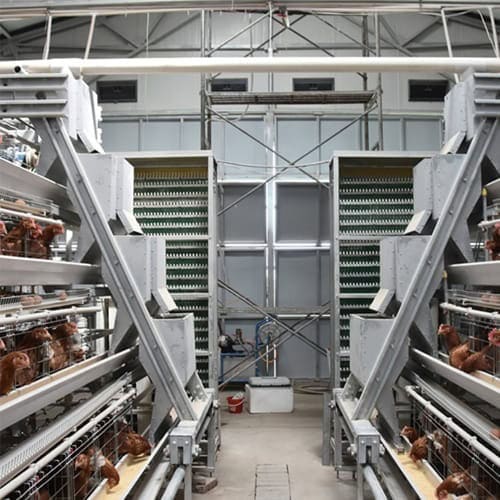
Real Farm Case: 60,000-Layer Farm in Southeast Asia
After upgrading to properly specified A-Type cages with improved galvanization and ventilation, the farm reduced labor costs by 28% while maintaining egg production above 90%. The key success factor was choosing quality materials from the start instead of the cheapest option.
FAQ – Common Questions from Dealers and Layer Farms
Q: Are A-Type cages still worth buying in 2026?
A: Yes — especially for medium-sized farms or budget-conscious projects.
Q: How long do A-Type cages typically last?
A: With good galvanization, 8–12 years in normal commercial use.
Q: Can A-Type cages be fully automated?
A: Yes, they work very well with automatic feeding and egg collection systems.
Q: Which climate are A-Type cages best suited for?
A: They perform well in most climates when equipped with proper ventilation design.
By Caroline, Senior Poultry Equipment Specialist at Weifang Splendid Machinery Equipment Co., Ltd. (18 years global experience in broiler & layer systems, has helped 200+ farms in Nigeria, Saudi Arabia, Philippines and Kenya).
• Commercial Layer Housing Reports 2025-2026
• Field performance data from A-Type installations worldwide
• USDA Livestock & Poultry Outlook, Feb 2026
Also read: H-Type & A-Type Layer Cages | Layer Floor Raising Systems | Global Project Cases