2026 Layer Nipple Drinker Automatic Water Line Guide: Types, Benefits, and Global Farm Applications
Layer nipple drinker automatic water line systems are critical for maintaining consistent water supply and bird health in modern layer houses. In 2026, these systems deliver clean, fresh water with minimal waste, reduce disease risk, and support high egg production. Whether you are a global dealer sourcing equipment or a commercial layer farm terminal looking to improve performance, choosing the right layer nipple drinker automatic water line directly impacts bird welfare, water consumption, and overall farm profitability.

What Is a Layer Nipple Drinker Automatic Water Line?
A layer nipple drinker automatic water line is a pressurized water delivery system designed specifically for commercial laying hens. It consists of nipple drinkers, PVC or stainless steel pipes, pressure regulators, filters, and automatic water supply mechanisms. In 2026, advanced models feature anti-leak nipples, adjustable height, and integrated water meters for precise monitoring and efficient water usage.
2026 Main Types of Layer Nipple Drinker Automatic Water Line – Full Comparison
Here is a clear side-by-side comparison of the three most popular types currently exported globally:
| Type | Best For | Key Features | 2026 Export Price Range (USD per 10,000 birds house) |
|---|---|---|---|
| Standard Nipple Drinker Line | Medium farms & new importers | Basic nipples, manual height adjustment, simple pressure regulator | $2,800 – $4,200 |
| High-Flow Automatic Water Line | Large commercial operations | 360° nipples, auto pressure control, water meter, anti-leak design | $5,500 – $8,000 |
| Smart Monitoring Water Line | High-end exporters & welfare-focused farms | IoT sensors, real-time water consumption data, mobile alerts | $9,500 – $14,000 |
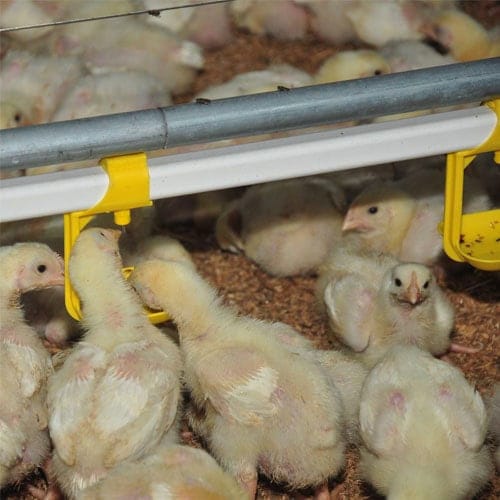
Dealers supplying hot climate regions often recommend high-flow models to ensure adequate water intake during peak temperatures.
What Are the Key Benefits for Global Dealers and Farms?
Layer nipple drinker automatic water line systems significantly reduce water waste, prevent bacterial growth, and ensure every bird has easy access to fresh water. Farms using 2026 smart models report up to 25% lower water consumption and improved flock uniformity, while dealers benefit from high demand and easy compliance with international hygiene standards.
How to Choose the Right Layer Nipple Drinker Automatic Water Line in 2026?
Consider your house length, bird density, water quality, and climate conditions. For long houses, choose systems with stable pressure regulators. Hot regions require high-flow nipples, while farms focused on data monitoring should select smart versions. Always verify nipple flow rate (60-80 ml/min) and material durability before purchase.
Real-World Applications in 2026
A 150,000-layer farm in the Philippines using high-flow automatic water line reduced water waste by 28% and improved egg production uniformity. Similar performance gains are reported across Southeast Asia and the Middle East, making these systems a popular choice for both dealers and terminal farms.
FAQ – Common Questions from International Dealers and Layer Farms
- What is the recommended nipple flow rate for layers?
60-80 ml/min is ideal for adult layers to ensure adequate hydration without excessive spillage. - How often should the water line be cleaned?
Monthly deep cleaning with approved sanitizers is recommended to prevent biofilm buildup. - Do smart water lines require constant internet?
Basic models run offline; smart versions need Wi-Fi or 4G for real-time monitoring. - Which type is easiest to install in existing houses?
Modular high-flow systems are designed for quick retrofitting with minimal downtime. - Are there specific certifications needed for export markets?
Yes – EU and Middle East buyers often require food-grade materials and hygiene compliance. - Can nipple drinkers be used with both floor and cage systems?
Yes, most models are compatible with both floor rearing and battery cage setups.
This article was written by the Weifang Splendid Machinery Equipment team. Read our A-type vs H-type battery cage comparison.