2026 Layer Floor vs Cage Rearing Equipment: Which Is Best for Your Farm?
Layer floor vs cage rearing equipment is one of the most important decisions for commercial egg producers in 2026. Floor systems offer better bird welfare and natural behavior, while cage systems provide higher stocking density, easier egg collection, and lower labor costs. This detailed comparison helps you choose the right system based on flock size, budget, welfare requirements, and export market standards.

What Is Layer Floor Rearing Equipment?
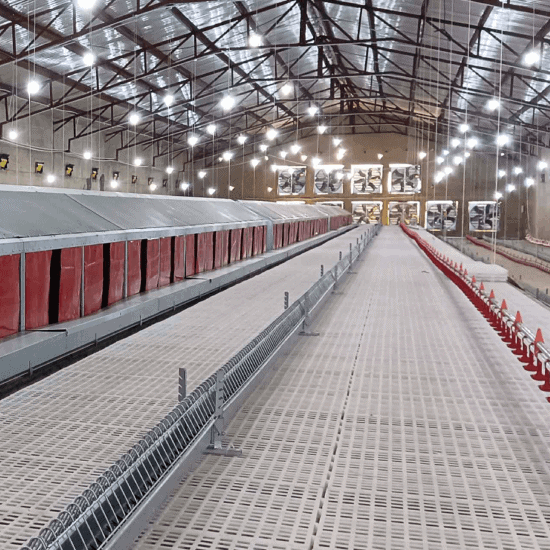
Layer floor rearing equipment uses litter-based systems with nest boxes, perches, feeders, drinkers, and manure belts or scrapers. In 2026, modern floor systems include enriched features and automatic egg collection belts, making them popular in markets with strict animal welfare regulations.
What Is Layer Cage Rearing Equipment?
Layer cage rearing equipment includes A-type, H-type, and enriched battery cages with automatic feeding, drinking, egg collection, and manure removal systems. These systems allow high stocking density and consistent egg quality, remaining the most common choice for large-scale commercial operations worldwide.
2026 Layer Floor vs Cage Rearing Equipment – Full Comparison
| Factor | Layer Floor System | Layer Cage System |
|---|---|---|
| Stocking Density | Lower (6-9 birds/m²) | Higher (12-18 birds/m²) |
| Egg Collection Rate | 92-96% | 98-99.5% |
| Labor Requirement | Higher | Lower (60% less) |
| Animal Welfare | Higher (natural behavior) | Moderate (enriched cages improve score) |
| Initial Investment | Lower | Higher but faster ROI |
| Best For | Welfare-focused markets | Large-scale commercial farms |
Key Benefits and Trade-offs
Layer floor systems appeal to markets with high welfare demands, while cage systems deliver higher production efficiency and easier management. In 2026, many farms combine both approaches or use enriched cages to balance welfare and economics.
How to Choose Between Layer Floor and Cage Rearing Equipment in 2026?
Evaluate your target market regulations, available space, budget, and labor availability. For EU or North American exports, floor or enriched cage systems are often required. For high-volume production in Asia or the Middle East, traditional cage systems remain the most economical choice.
Real-World Applications in 2026
A 100,000-layer farm in Thailand switched from floor to enriched cage systems and increased egg output by 18% while maintaining welfare compliance. Similar transitions are common among dealers supplying mixed markets worldwide.
FAQ
Q: Which system has lower long-term operating costs?
A: Cage systems usually have lower labor and feed waste costs over time.
Q: Do floor systems require more space than cage systems?
A: Yes, floor systems need significantly more house area per bird.
Q: Are enriched cages a good compromise?
A: Yes, they combine higher density with improved welfare features.
By Caroline, Senior Poultry Equipment Specialist at Weifang Splendid Machinery Equipment Co., Ltd. (18 years global experience in broiler & layer systems, has helped 200+ farms in Nigeria, Saudi Arabia, Philippines and Kenya).
• USDA Livestock & Poultry Outlook, Feb 2026
• Commercial Layer Housing Reports 2025-2026
• Field data from layer floor and cage installations worldwide
Also read: H-Type & A-Type Layer Cages | Layer Floor Raising Systems | Global Project Cases