H-Type Battery Cages Advanced Pitfall Guide 2026: 6 Major Mistakes Most New Farmers Overlook
H-Type battery cages are powerful tools for large-scale layer farms, but many new users make costly mistakes during selection, installation, and daily management. This advanced pitfall guide reveals the 6 most common errors beginners overlook in 2026 and shows how to avoid them for better long-term performance and ROI of H-Type battery cages.
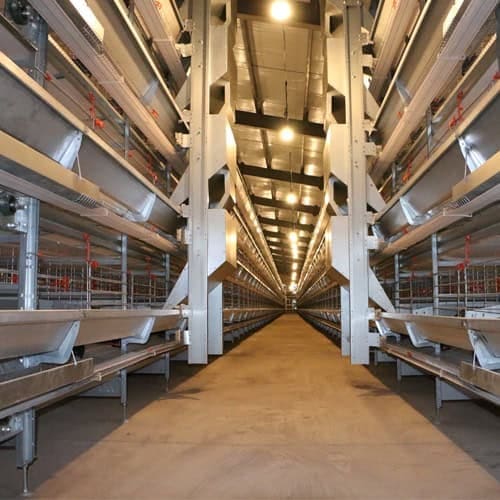
Mistake 1: Focusing Only on Price Instead of Long-Term Durability
Many new buyers choose the cheapest H-Type cages without checking galvanization thickness. Thin coating leads to rust within 3–4 years. Always insist on hot-dip galvanization of at least 80–100g/m² for cages that last 10+ years.
Mistake 2: Ignoring Ventilation Design for High-Density Houses
New farmers often underestimate how poor airflow in multi-tier H-Type cages causes heat stress and respiratory issues. Choose models with optimized side vents and sufficient space between tiers to maintain good air circulation even at high density.
Mistake 3: Underestimating Automation Compatibility Needs
Many assume all H-Type cages are fully automation-ready. In reality, some low-cost models have poor alignment for egg collection belts and feeding systems. Verify compatibility with your existing or planned automation before purchase.

Mistake 4 & 5: Wrong Tier Height and Floor Slope Selection
Incorrect tier height causes management difficulties, while improper floor slope leads to egg cracking or rolling issues. Measure your house height and choose the correct configuration for your breed and management style.
Mistake 6: Neglecting After-Sales Support and Spare Parts Availability
New buyers often forget to check long-term support. Reliable suppliers with local spare parts availability can save weeks of downtime when issues arise. Always prioritize suppliers with proven after-sales service in your region.
6 Major Mistakes vs Solutions (2026)
| Mistake | Consequence | How to Avoid |
|---|---|---|
| 1. Only focus on price | Rust in 3–4 years | Choose ≥80–100g/m² hot-dip galvanization |
| 2. Ignore ventilation design | Heat stress & respiratory issues | Select optimized vents and tier spacing |
| 3. Assume all cages are automation-ready | Poor belt/feeding alignment | Verify compatibility before purchase |
| 4&5. Wrong tier height / floor slope | Management difficulty + egg cracking | Measure house height and choose correct config |
| 6. Neglect after-sales support | Long downtime when parts needed | Choose suppliers with local spare parts & service |
FAQ – Common Questions from Dealers and Layer Farms
- What is the most common mistake when buying H-Type cages?
Focusing only on initial price instead of long-term durability and automation compatibility. - How can I avoid ventilation problems?
Choose cages with optimized airflow design and ensure proper negative pressure settings. - Is professional installation necessary?
Yes, correct installation significantly affects performance and lifespan. - How long do quality H-Type cages last?
10–15 years with proper maintenance and good galvanization.
This article was written by the Weifang Splendid Machinery Equipment team. For more insights on poultry farming equipment, please read 2026 Hen-Friendly Nest Box Design with High Acceptance Rate. External reference: Poultry World 2026 Industry Report.